Low-Calorie Meal Prep A Comprehensive Guide
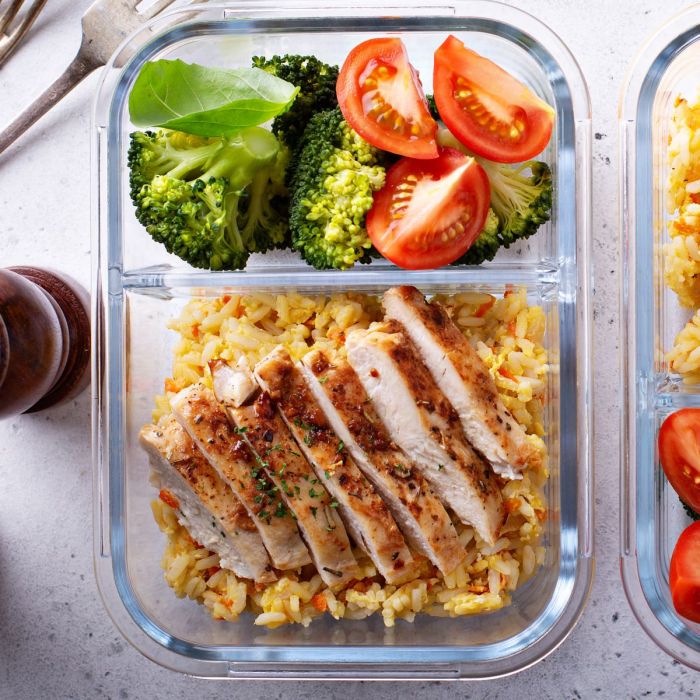
Low-Calorie Meal Prep: Embark on a journey towards healthier eating habits and effective weight management. This guide delves into the art of preparing delicious, low-calorie meals that are both satisfying and conducive to your wellness goals. We’ll explore practical strategies, recipe ideas, and expert tips to help you navigate the world of low-calorie meal prepping successfully, addressing common challenges and misconceptions along the way.
Whether you’re aiming for weight loss, improved health, or simply a more organized approach to your diet, this comprehensive resource will equip you with the knowledge and tools to achieve your objectives.
From understanding the fundamental principles of low-calorie meal planning to mastering the art of incorporating diverse and flavorful recipes, this guide covers a wide range of topics. We’ll examine various dietary approaches, including vegan, vegetarian, keto, and low-carb options, ensuring that there’s something for everyone, regardless of their dietary preferences or restrictions. We’ll also discuss the importance of incorporating nutrient-dense foods, managing energy levels, and maintaining a healthy gut microbiome while adhering to a low-calorie diet.
Gut Health and Nutrition in Low-Calorie Meal Prep
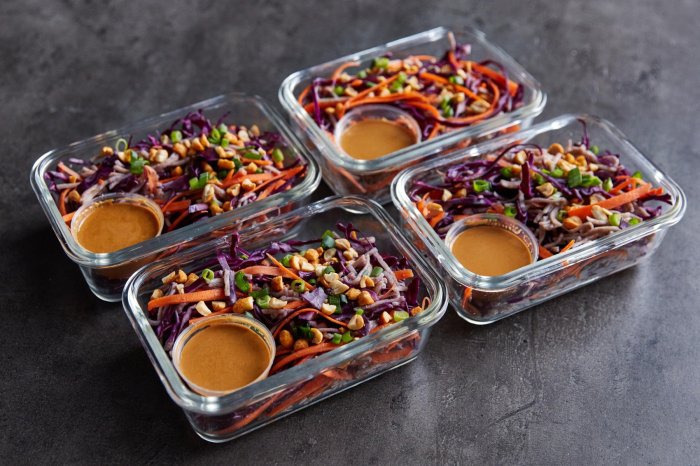
Maintaining a healthy gut microbiome is crucial for overall well-being, and its impact on weight management is increasingly recognized. A balanced gut ecosystem supports efficient digestion, nutrient absorption, and even influences hormone production related to appetite and satiety. Ignoring gut health while pursuing weight loss can hinder progress and potentially lead to negative consequences.The relationship between gut health and weight management is complex but significant.
A diverse and thriving gut microbiota helps regulate energy balance, influencing how the body processes and stores calories. Conversely, an unhealthy gut, characterized by an imbalance (dysbiosis), can contribute to increased inflammation, impaired metabolism, and potentially even increased fat storage. Studies have shown a correlation between gut dysbiosis and conditions like obesity and metabolic syndrome.
Incorporating Gut-Friendly Foods into Low-Calorie Meal Prep
Strategic food choices are essential for nourishing the gut while adhering to a low-calorie diet. Focusing on prebiotic and probiotic-rich foods provides the necessary fuel for beneficial bacteria and promotes a healthy gut environment. These foods, while often naturally low in calories, provide essential nutrients and fiber which support gut health and help maintain feelings of fullness.
The Impact of Restrictive Diets on Gut Health
Highly restrictive low-calorie diets, particularly those lacking in diversity and fiber, can negatively impact gut health. Severely limiting caloric intake can reduce the diversity of gut bacteria, potentially leading to dysbiosis. Furthermore, eliminating entire food groups can deprive the gut of essential nutrients needed to support its microbiome. For example, a diet extremely low in fiber can lead to constipation and reduced bacterial diversity.
This can result in a less efficient digestive system, potentially hindering weight loss efforts and increasing the risk of nutrient deficiencies. A more sustainable approach involves gradual dietary changes focusing on nutrient-dense, whole foods that support both weight management and gut health.
Eating for Energy and Focus with Low-Calorie Meal Prep
Maintaining energy and focus while on a low-calorie diet can be challenging, but it’s achievable with careful planning and the right food choices. The key is to prioritize nutrient-dense foods that provide sustained energy without excessive calories. This approach prevents energy crashes and supports cognitive function throughout the day.Prioritizing nutrient-dense foods is crucial for sustained energy on a low-calorie meal plan.
These foods are packed with vitamins, minerals, and antioxidants, which contribute to overall health and well-being, including stable energy levels. Consuming nutrient-poor foods, even if low in calories, can leave you feeling sluggish and lacking focus. Focusing on whole, unprocessed foods will help you feel fuller for longer, preventing those mid-afternoon energy dips.
Nutrient-Dense Foods for Sustained Energy, Low-calorie meal prep
The following foods are excellent choices for maintaining energy and focus while on a low-calorie diet. They offer a good balance of macronutrients and micronutrients, providing sustained energy release and supporting brain function.
- Lean protein sources: Chicken breast, fish (salmon, tuna), turkey, beans, lentils. These provide sustained energy and help build and repair tissues.
- Complex carbohydrates: Brown rice, quinoa, oats, sweet potatoes. These provide a slow release of energy, preventing energy crashes.
- Healthy fats: Avocado, nuts (almonds, walnuts), seeds (chia, flax), olive oil. These are essential for brain function and hormone production.
- Fruits and vegetables: Berries, leafy greens (spinach, kale), broccoli, peppers. These are packed with vitamins, minerals, and antioxidants, supporting overall health and energy levels.
Foods to Limit or Avoid for Optimal Energy and Focus
Certain foods, while potentially low in calories, can negatively impact energy levels and focus. Limiting or avoiding these can significantly improve your overall well-being while on a low-calorie plan.
- Processed foods: Packaged snacks, fast food, sugary cereals. These often contain high levels of refined sugars and unhealthy fats, leading to energy spikes and crashes.
- Sugary drinks: Soda, juice, sweetened beverages. These provide a quick burst of energy followed by a significant drop, negatively impacting focus and mood.
- Excessive caffeine: While moderate caffeine can be beneficial, excessive consumption can lead to anxiety, jitters, and sleep disturbances, ultimately impacting energy and focus.
- Refined carbohydrates: White bread, white pasta, pastries. These are quickly digested, leading to rapid spikes in blood sugar and subsequent energy crashes.
Healthy Eating on a Budget with Low-Calorie Meal Prep
Eating healthy doesn’t have to break the bank. Low-calorie meal prepping can be a surprisingly affordable way to maintain a nutritious diet, even on a tight budget. By making smart choices about ingredients and employing effective planning strategies, you can significantly reduce your grocery bill while still enjoying delicious and satisfying meals. This section will explore practical tips and strategies for achieving this balance.Creating affordable and healthy low-calorie meal prep plans requires a strategic approach to grocery shopping and recipe selection.
Focusing on inexpensive, nutrient-rich ingredients is key to keeping costs low without sacrificing nutritional value. Careful planning also minimizes food waste, a major contributor to increased spending.
Cost-Effective Ingredients for Low-Calorie Meal Prepping
Many budget-friendly ingredients are naturally low in calories and high in nutrients. Prioritizing these options forms the foundation of an affordable and healthy meal prep plan.
- Legumes: Beans (kidney, black, pinto), lentils, and chickpeas are exceptionally inexpensive sources of protein and fiber. They can be incorporated into soups, stews, salads, or eaten as a side dish.
- Seasonal Produce: Fruits and vegetables that are in season are generally cheaper and tastier. Check your local farmer’s market or grocery store flyers for seasonal deals.
- Whole Grains: Brown rice, oats, and quinoa are affordable alternatives to refined grains and provide sustained energy and fiber.
- Frozen Fruits and Vegetables: Frozen produce is often just as nutritious as fresh and significantly cheaper, especially during times when fresh produce is out of season.
- Eggs: Eggs are a fantastic source of protein and are relatively inexpensive, making them a versatile ingredient for breakfast, lunch, or dinner.
Minimizing Food Waste in Low-Calorie Meal Prepping
Reducing food waste is crucial for keeping your meal prep budget-friendly. Careful planning and storage techniques are essential to prevent spoilage.
- Plan your meals meticulously: Create a detailed meal plan for the week, listing all ingredients needed to avoid impulse purchases and prevent excess food from spoiling.
- Shop with a list: Sticking to your shopping list helps avoid buying items you don’t need and reduces the likelihood of food waste.
- Proper storage: Store ingredients correctly to extend their shelf life. Use airtight containers, and prioritize using older ingredients first.
- Utilize leftovers creatively: Repurpose leftover ingredients into new meals. For example, leftover roasted chicken can be used in salads or soups.
- Freeze excess portions: Freeze any extra cooked meals or ingredients to enjoy later. This prevents waste and provides ready-made meals for busy days.
Weight Management Diets and Low-Calorie Meal Prep
Low-calorie meal prepping offers a structured approach to weight management, differing significantly from other dietary strategies. While some diets focus on restrictive food choices or extreme calorie deficits, meal prepping emphasizes planning and preparation, allowing for a more sustainable and flexible weight loss journey. This approach allows for greater control over portion sizes and nutrient intake, contributing to healthier weight management.Low-calorie meal prepping provides a framework for managing caloric intake while maintaining nutritional balance.
Unlike fad diets that often lead to nutrient deficiencies and unsustainable habits, a well-planned low-calorie meal prep strategy prioritizes the inclusion of diverse, nutrient-rich foods. This ensures that individuals receive the necessary vitamins, minerals, and macronutrients to support their overall health and well-being during the weight loss process. The structured nature of meal prepping helps prevent impulsive, unhealthy food choices often associated with spontaneous hunger.
Comparison of Weight Management Approaches with Low-Calorie Meal Prepping
Several weight management approaches exist, each with its own set of advantages and disadvantages. Some popular methods include calorie restriction, intermittent fasting, ketogenic diets, and the Mediterranean diet. Low-calorie meal prepping can be integrated into or adapted to suit many of these approaches. For example, a person following a calorie-restricted diet can use meal prepping to ensure they consistently consume the planned number of calories each day, while someone following the Mediterranean diet might use meal prepping to prepare healthy, portion-controlled meals in advance.
The key difference is that meal prepping provides a structured organizational system regardless of the specific dietary approach being followed. It enhances the likelihood of success by reducing the cognitive load of daily meal planning and preparation.
Long-Term Sustainability of Low-Calorie Meal Prepping for Weight Management
The long-term success of any weight management strategy hinges on its sustainability. Low-calorie meal prepping, when implemented correctly, can be a highly sustainable approach. Its success relies on developing healthy habits that extend beyond the initial weight loss phase. Instead of viewing it as a temporary diet, it should be integrated as a lifestyle change. For instance, incorporating a variety of recipes, involving family members in the meal prep process, and allowing for occasional treats can help prevent feelings of deprivation and promote adherence.
This sustained approach is key to preventing weight regain. Individuals who develop a routine of planning their meals and preparing healthy options in advance are more likely to maintain their weight loss over the long term. This approach focuses on making sustainable changes rather than following a quick-fix diet.
Importance of Incorporating Regular Exercise into a Low-Calorie Meal Prep Plan
Regular exercise plays a crucial role in weight management and overall health, complementing the benefits of low-calorie meal prepping. Exercise contributes to calorie expenditure, builds muscle mass, improves metabolism, and boosts energy levels. Combining a low-calorie meal prep plan with regular exercise creates a synergistic effect, enhancing weight loss and improving overall physical and mental well-being. The specific type and intensity of exercise should be tailored to individual needs and fitness levels, but consistency is key.
Aiming for at least 150 minutes of moderate-intensity aerobic activity or 75 minutes of vigorous-intensity aerobic activity per week, along with muscle-strengthening activities twice a week, is generally recommended for adults. For example, a combination of brisk walking, cycling, swimming, or strength training can significantly enhance the results of a low-calorie meal prep plan.
Mastering the art of low-calorie meal prep is a transformative step towards a healthier lifestyle. By understanding the principles Artikeld in this guide, you’ll be empowered to create delicious and nutritious meals that support your weight management goals and overall well-being. Remember that consistency and a balanced approach are key to long-term success. Embrace the journey, experiment with different recipes and techniques, and enjoy the rewarding experience of nourishing your body with thoughtfully prepared, low-calorie meals.
Question Bank
How many calories should I aim for daily on a low-calorie diet?
Calorie needs vary greatly depending on factors like age, activity level, and metabolism. Consult a doctor or registered dietitian to determine a safe and effective calorie target for your individual needs.
Can I still eat out while meal prepping low-calorie meals?
Yes, but plan ahead. Choose restaurants with nutritional information available and make mindful selections, focusing on lean proteins, vegetables, and whole grains. Be aware of portion sizes.
What if I get bored with my low-calorie meal plan?
Variety is key! Explore diverse recipes, experiment with spices and herbs, and don’t be afraid to try new ingredients to keep your meals exciting and prevent boredom.
How do I deal with cravings while on a low-calorie diet?
Stay hydrated, prioritize sleep, manage stress, and choose whole, unprocessed foods to help curb cravings. If cravings persist, consult a healthcare professional.


