Vegetarian Protein-Rich Foods A Complete Guide
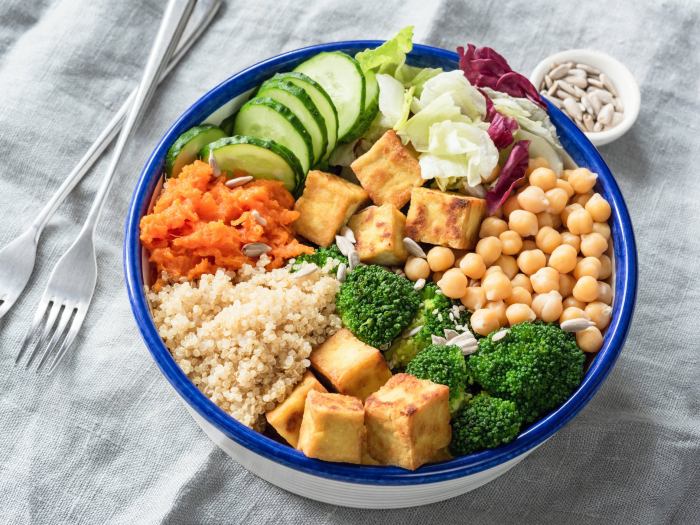
Vegetarian protein-rich foods offer a delicious and diverse pathway to a healthy lifestyle. This guide explores the numerous options available, from legumes and grains to nuts and seeds, detailing their nutritional profiles and benefits. We’ll delve into meal planning, dietary adaptations, and practical tips for incorporating these foods into your daily routine, ensuring you reap the rewards of a protein-packed vegetarian diet.
We’ll cover everything from creating balanced and satisfying meals to addressing common concerns and misconceptions surrounding vegetarian protein intake. Whether you’re a seasoned vegetarian or just starting your journey, this comprehensive resource will empower you to make informed choices and enjoy the abundant benefits of a plant-based, high-protein diet.
Vegetarian Protein Sources
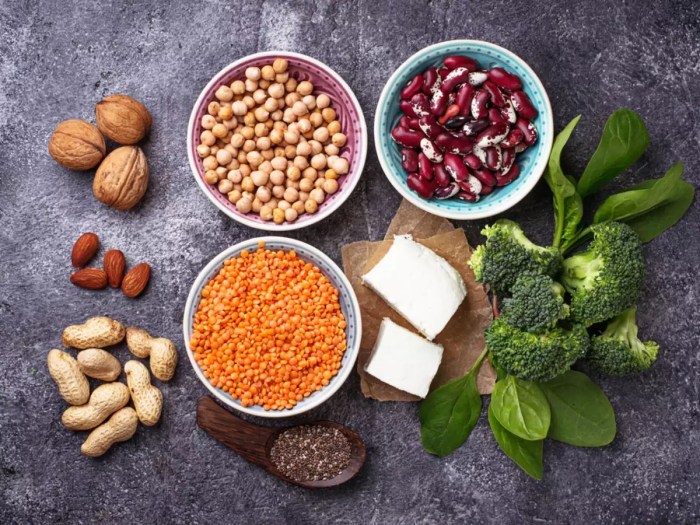
Choosing a vegetarian diet doesn’t mean sacrificing protein. Many plant-based foods are excellent sources of this essential macronutrient, offering a diverse range of nutritional benefits. Understanding the different types of vegetarian protein sources and their nutritional profiles is key to ensuring a balanced and healthy diet.
Vegetarian Protein Sources: A Comprehensive Overview
The following table categorizes various vegetarian protein sources, outlining their protein content per serving (approximate values may vary based on serving size and preparation method) and associated health benefits. It’s important to note that protein quality varies; complete proteins contain all nine essential amino acids, while incomplete proteins lack one or more. Combining different plant-based protein sources throughout the day ensures optimal amino acid intake.
| Food Group | Food Item | Protein Content (per serving, approximate) | Health Benefits |
|---|---|---|---|
| Legumes | Lentils (1 cup cooked) | 18g | High in fiber, iron, and folate; aids digestion. |
| Legumes | Chickpeas (1 cup cooked) | 15g | Good source of fiber, magnesium, and manganese; supports heart health. |
| Legumes | Black beans (1 cup cooked) | 15g | Rich in antioxidants, fiber, and iron; beneficial for blood sugar control. |
| Grains | Quinoa (1 cup cooked) | 8g | Complete protein; excellent source of iron, magnesium, and fiber. |
| Grains | Brown rice (1 cup cooked) | 5g | Good source of manganese and magnesium; provides sustained energy. |
| Grains | Oats (1 cup cooked) | 5g | High in fiber, beneficial for cholesterol levels and digestive health. |
| Nuts & Seeds | Almonds (1/4 cup) | 6g | Rich in vitamin E, magnesium, and healthy fats; supports brain health. |
| Nuts & Seeds | Chia seeds (1 ounce) | 4g | Excellent source of omega-3 fatty acids and fiber; promotes satiety. |
| Nuts & Seeds | Pumpkin seeds (1/4 cup) | 7g | Good source of magnesium, zinc, and iron; supports immune function. |
| Other | Tofu (3 ounces) | 10g | Versatile source of protein; good source of iron and calcium. |
| Other | Tempeh (3 ounces) | 15g | Fermented soybean product; contains probiotics and beneficial enzymes. |
| Other | Edamame (1 cup shelled) | 18g | Immature soybeans; high in fiber, protein, and various vitamins and minerals. |
Nutritional Profiles of Vegetarian Protein Sources
Legumes are particularly rich in lysine and arginine, while grains often provide ample amounts of methionine and cysteine. Nuts and seeds contribute a variety of amino acids, including tryptophan and phenylalanine. The bioavailability of amino acids varies depending on factors like the food matrix and individual digestive capabilities. For example, the phytic acid in some grains can bind to minerals and reduce their absorption, but soaking or sprouting can mitigate this effect.
Combining different protein sources, such as pairing rice with beans, improves the overall amino acid profile and bioavailability, making it easier for the body to utilize all essential amino acids.
Comparing Vegetarian Protein Sources
While all the listed foods provide protein, their overall nutritional value and amino acid profiles differ. Legumes generally offer a higher protein content per serving compared to grains, but grains contribute significant amounts of fiber and other essential nutrients. Nuts and seeds are excellent sources of healthy fats and micronutrients in addition to protein. Tofu and tempeh, derived from soybeans, provide a complete protein source with a high protein density.
The optimal choice depends on individual dietary needs and preferences, and a balanced approach incorporating diverse plant-based proteins is recommended for optimal health.
Planning Vegetarian High-Protein Meals
Creating a balanced vegetarian diet rich in protein requires careful planning. Understanding the various vegetarian protein sources and how to combine them effectively is key to meeting your daily protein needs and achieving your health goals, whether it’s boosting energy, losing weight, or building muscle. This section provides practical guidance on meal planning and incorporating protein-rich vegetarian foods into your daily routine.
Sample Vegetarian High-Protein Meal Plans
Three sample daily meal plans are presented below, each tailored to a different objective: high energy, weight loss, and muscle building. These plans illustrate how a variety of vegetarian protein sources can be incorporated throughout the day to meet specific nutritional needs. Remember to adjust portion sizes based on your individual caloric requirements and activity levels.
- High-Energy Meal Plan:
- Breakfast: Oatmeal with chia seeds, berries, and nuts (provides sustained energy release).
- Lunch: Quinoa salad with black beans, corn, avocado, and a lime vinaigrette (complex carbohydrates and healthy fats for lasting energy).
- Dinner: Lentil soup with whole-wheat bread (fiber and protein for sustained energy levels).
- Snacks: Greek yogurt with fruit, trail mix (protein and healthy fats for energy boosts).
- Weight-Loss Meal Plan:
- Breakfast: Scrambled tofu with spinach and whole-wheat toast (high protein, low calorie).
- Lunch: Large salad with chickpeas, grilled vegetables, and a light lemon dressing (high in fiber and protein, low in calories).
- Dinner: Vegetarian chili with brown rice (fiber and lean protein for satiety).
- Snacks: A handful of almonds, a piece of fruit (healthy fats and fiber for appetite control).
- Muscle-Building Meal Plan:
- Breakfast: Protein smoothie with soy milk, protein powder, spinach, and banana (quick and easy source of protein and carbohydrates).
- Lunch: Black bean burgers on whole-wheat buns with a side salad (plant-based protein and complex carbohydrates for muscle recovery).
- Dinner: Tofu stir-fry with brown rice and plenty of vegetables (provides complete protein and essential nutrients).
- Snacks: Edamame, Greek yogurt with berries (protein and essential amino acids for muscle growth).
Incorporating Vegetarian Protein Sources into Meals
Strategically incorporating vegetarian protein sources into every meal is crucial for maintaining adequate protein intake throughout the day. This ensures consistent energy levels, supports muscle growth and repair, and aids in overall health and well-being.
- Breakfast: Start your day with protein-rich options like tofu scramble, Greek yogurt with granola and berries, protein smoothies, or overnight oats with chia seeds and nuts.
- Lunch: Include legumes (beans, lentils), tofu, tempeh, quinoa, or edamame in salads, wraps, or soups. Consider veggie burgers or lentil loaf for a more substantial meal.
- Dinner: Explore a wide range of options, such as vegetarian chili, lentil stew, vegetable curry with tofu or chickpeas, or pasta dishes with added beans or lentils.
- Snacks: Keep handy protein-rich snacks like trail mix, nuts, seeds, Greek yogurt, edamame, or hard-boiled eggs (if ovo-vegetarian).
Combining Vegetarian Protein Sources for Complete Protein Intake
While many vegetarian protein sources are incomplete proteins (lacking one or more essential amino acids), combining them strategically ensures you obtain all nine essential amino acids. This is important for optimal protein synthesis and overall health.
For example, combining legumes (like lentils or beans) with grains (like rice or quinoa) creates a complete protein profile. Similarly, pairing nuts and seeds with whole grains or legumes can also provide a complete protein source. Planning meals that incorporate diverse protein sources throughout the day is a simple way to ensure adequate intake of all essential amino acids.
Vegetarian Protein and Specific Diets
Adapting a high-protein vegetarian diet to accommodate various dietary needs and restrictions requires careful planning and consideration of nutrient sources. This section will explore how to successfully integrate a high-protein vegetarian approach with vegan, keto, and low-carb dietary patterns, outlining both the challenges and potential advantages of each combination.
Adapting Vegetarian High-Protein Diets to Specific Dietary Needs
Successfully integrating a high-protein vegetarian diet with other dietary approaches necessitates a nuanced understanding of macronutrient balance and the specific needs of each diet. The following points detail adaptations for vegan, keto, and low-carb lifestyles.
- Vegan High-Protein Diets: Focus on combining various plant-based protein sources to achieve complete amino acid profiles. This often involves incorporating legumes (lentils, beans, chickpeas), tofu, tempeh, seitan, quinoa, chia seeds, and hemp seeds into meals. Careful planning is crucial to ensure sufficient intake of all essential amino acids. Supplementation with vitamin B12 is often necessary.
- Keto Vegetarian Diets: This requires a significant reduction in carbohydrate intake while maintaining high protein levels. Prioritize high-fat, low-carb vegetarian options such as avocados, nuts, seeds, cheese (if lacto-ovo vegetarian), and full-fat dairy products (if lacto-ovo vegetarian). Careful selection of vegetables is crucial, focusing on those lower in carbohydrates like leafy greens and cruciferous vegetables. Protein sources should be carefully chosen to minimize carbohydrate content.
- Low-Carb Vegetarian Diets: Similar to keto, this approach limits carbohydrate intake but allows for a wider range of protein sources and slightly higher carbohydrate intake compared to keto. Focus on protein-rich vegetables like broccoli and cauliflower, legumes in moderation, and nuts and seeds. Full-fat dairy products (if lacto-ovo vegetarian) and eggs (if ovo-vegetarian) can be included.
Challenges and Benefits of Combining Vegetarian High-Protein Diets with Specific Diets
Combining a vegetarian high-protein diet with other dietary approaches presents both challenges and potential benefits.
- Vegan High-Protein Diets: Challenges include ensuring sufficient intake of all essential amino acids and obtaining adequate B12. Benefits include increased fiber intake, reduced risk of heart disease, and potential weight management benefits.
- Keto Vegetarian Diets: Challenges include restricting carbohydrate intake while maintaining sufficient protein and fiber, and potential for nutrient deficiencies if not carefully planned. Benefits include potential weight loss and improved blood sugar control.
- Low-Carb Vegetarian Diets: Challenges include managing potential nutrient deficiencies and ensuring sufficient fiber intake. Benefits include potential weight management and improved blood sugar control, less restrictive than keto.
Macronutrient Comparison of Vegetarian Diets
The following table compares the macronutrient composition of different vegetarian dietary approaches. Note that these are general estimates and individual needs will vary.
| Diet Type | Protein (%) | Carbohydrates (%) | Fat (%) |
|---|---|---|---|
| Standard Vegetarian | 15-20 | 50-60 | 20-25 |
| Vegan High-Protein | 25-30 | 40-50 | 15-25 |
| Keto Vegetarian | 20-25 | 5-10 | 65-75 |
| Low-Carb Vegetarian | 20-25 | 20-30 | 40-50 |
Healthy Vegetarian Recipes
Creating delicious and nutritious vegetarian meals packed with protein doesn’t require complex techniques or obscure ingredients. These recipes demonstrate how accessible and flavorful high-protein vegetarian cooking can be, catering to various skill levels. Remember to adjust seasoning to your personal preference.
Beginner: One-Pan Roasted Vegetables with Chickpeas
This recipe is perfect for beginners as it involves minimal preparation and cleanup. Roasting brings out the natural sweetness of the vegetables, and chickpeas add a hearty protein boost.
Ingredients: 1 can (15 ounces) chickpeas, drained and rinsed; 1 red bell pepper, chopped; 1 yellow bell pepper, chopped; 1 zucchini, chopped; 1 red onion, chopped; 2 tablespoons olive oil; 1 teaspoon dried oregano; 1/2 teaspoon garlic powder; Salt and pepper to taste.
Instructions: Preheat oven to 400°F (200°C). Toss all ingredients together in a large bowl. Spread evenly on a baking sheet. Roast for 25-30 minutes, or until vegetables are tender and slightly browned. Serve hot.
Intermediate: Lentil Shepherd’s Pie with Sweet Potato Topping, Vegetarian protein-rich foods
This recipe offers a healthier twist on a classic comfort food. Lentils provide a substantial protein source, while the sweet potato topping adds sweetness and nutritional value. This recipe requires slightly more preparation and cooking steps than the beginner recipe.
Ingredients: 1 tablespoon olive oil; 1 onion, chopped; 2 carrots, chopped; 2 celery stalks, chopped; 1 cup brown or green lentils, rinsed; 4 cups vegetable broth; 1 teaspoon dried thyme; 1/2 teaspoon dried rosemary; Salt and pepper to taste; 2 large sweet potatoes, peeled and cubed; 2 tablespoons milk (dairy or non-dairy); 2 tablespoons butter (dairy or non-dairy).
Instructions: Heat olive oil in a large pot over medium heat. Add onion, carrots, and celery and cook until softened, about 5 minutes. Add lentils, vegetable broth, thyme, and rosemary. Bring to a boil, then reduce heat and simmer for 20-25 minutes, or until lentils are tender. Season with salt and pepper.
Meanwhile, boil sweet potatoes until tender. Drain and mash with milk and butter. Preheat oven to 375°F (190°C). Pour lentil mixture into a baking dish. Top with mashed sweet potatoes.
Bake for 20-25 minutes, or until heated through and topping is lightly browned.
Advanced: Spicy Tofu Scramble with Black Beans and Quinoa
This recipe requires a bit more culinary skill and involves multiple components, but the result is a flavorful and protein-rich breakfast or brunch option. The spiciness can be adjusted to personal preference.
Ingredients: 1 block (14 ounces) extra-firm tofu, pressed and crumbled; 1 tablespoon olive oil; 1/2 red onion, chopped; 1 bell pepper (any color), chopped; 1 cup black beans, rinsed and drained; 1/2 cup cooked quinoa; 1/4 cup chopped cilantro; 1 jalapeño pepper, seeded and minced (optional); 1 teaspoon chili powder; 1/2 teaspoon cumin; Salt and pepper to taste.
Instructions: Heat olive oil in a large skillet over medium heat. Add onion and bell pepper and cook until softened, about 5 minutes. Add crumbled tofu, black beans, quinoa, cilantro, jalapeño (if using), chili powder, and cumin. Cook for 10-15 minutes, stirring occasionally, until heated through and slightly browned. Season with salt and pepper.
Serve hot.
Enhancing Flavor and Texture of Vegetarian Protein-Rich Dishes
Utilizing herbs, spices, and flavorful liquids significantly impacts the taste and texture of vegetarian protein sources. For instance, marinating tofu in a mixture of soy sauce, ginger, and garlic before cooking adds depth of flavor and helps retain moisture. Similarly, adding a splash of lemon juice or balsamic vinegar to cooked lentils brightens their flavor profile. Roasting vegetables enhances their sweetness and creates a satisfying texture.
Cooking Tips for Maximizing Nutritional Value and Taste
Proper cooking techniques are crucial for preserving the nutritional value and taste of vegetarian proteins. Avoid overcooking lentils and beans, as this can make them mushy and reduce their nutritional content. Similarly, gently cooking tofu prevents it from becoming dry and crumbly. Using a variety of cooking methods—such as roasting, sautéing, and steaming—adds variety in texture and flavor.
Finally, incorporating fresh herbs and spices at the end of cooking enhances both the aroma and taste of the dish.
Vegetarian Protein and Weight Management
Vegetarian diets, often perceived as lacking in protein, can be highly effective for weight management when planned correctly. By focusing on diverse protein sources and understanding the role of protein in satiety, individuals can achieve and maintain a healthy weight while enjoying a plant-based lifestyle. The key lies in selecting the right foods and creating balanced meals that provide adequate protein without excess calories.Protein plays a crucial role in weight management, contributing significantly to feelings of fullness and regulating appetite.
Unlike carbohydrates and fats, protein takes longer to digest, leading to sustained satiety and reduced cravings throughout the day. This effect is particularly important for weight loss, as it helps to control calorie intake and prevent overeating. Furthermore, protein supports muscle mass maintenance, which is essential for boosting metabolism and burning calories even at rest.
Protein’s Role in Satiety and Appetite Regulation on Vegetarian Diets
The high protein content in many vegetarian foods contributes significantly to satiety. Legumes, tofu, tempeh, quinoa, and nuts, for example, are not only rich in protein but also contain fiber, which further enhances feelings of fullness. The combined effect of protein and fiber helps regulate appetite hormones, reducing hunger pangs and preventing impulsive snacking. Studies have shown that diets higher in protein lead to greater weight loss compared to diets lower in protein, even when calorie intake is matched.
For instance, a study published in theAmerican Journal of Clinical Nutrition* found that participants consuming a high-protein diet experienced greater weight loss and fat loss than those consuming a lower-protein diet. This effect is amplified on vegetarian diets where careful planning is essential to ensure adequate protein intake.
High-Protein, Low-Calorie Vegetarian Meal Examples
Incorporating high-protein, low-calorie vegetarian meals into a weight management plan is straightforward. Here are some examples:A large lentil soup (made with low-sodium broth) with a side of whole-wheat bread. Lentils are an excellent source of protein and fiber, promoting satiety. The whole-wheat bread adds complex carbohydrates for sustained energy. This meal is relatively low in calories and provides substantial protein.A tofu scramble with spinach and mushrooms.
Tofu is a versatile protein source, and adding vegetables increases the volume and nutritional value of the meal without significantly increasing the calorie count.A quinoa salad with black beans, corn, avocado, and a light vinaigrette. Quinoa is a complete protein, meaning it contains all nine essential amino acids. The combination of protein and fiber in this salad keeps you feeling full and satisfied.A chickpea curry with brown rice.
Chickpeas are a rich source of protein and fiber. Brown rice provides complex carbohydrates and fiber. This meal offers a good balance of macronutrients for sustained energy and satiety.
Intermittent Fasting and Vegetarian Protein: Vegetarian Protein-rich Foods
Intermittent fasting (IF) and a high-protein vegetarian diet can be a powerful combination for weight management and overall health, but careful planning is crucial to ensure adequate nutrient intake. Successfully navigating this approach requires understanding how to time protein consumption within your eating window to maximize its benefits and minimize potential drawbacks.Timing protein intake effectively during intermittent fasting periods for vegetarians necessitates focusing protein-rich foods during the eating window.
This ensures the body has sufficient amino acids for muscle repair and maintenance, vital functions often prioritized during periods of caloric restriction. Skipping protein during the eating window could hinder these processes.
Vegetarian High-Protein Meal Timing During Intermittent Fasting
Strategic meal planning is essential. Distributing protein intake evenly throughout your eating window is generally recommended, rather than consuming a large amount in a single meal. This approach promotes better satiety and prevents blood sugar spikes. For example, a person following a 16/8 IF schedule (16 hours fasting, 8 hours eating window) might spread their protein intake across three meals within the 8-hour window.
Potential Benefits of Combining Intermittent Fasting with a High-Protein Vegetarian Diet
Combining intermittent fasting with a high-protein vegetarian diet offers several potential benefits. Studies suggest that IF can aid in weight loss by promoting fat burning, while a high-protein diet helps preserve muscle mass during caloric restriction. Furthermore, both approaches can have positive effects on blood sugar control and insulin sensitivity, potentially reducing the risk of type 2 diabetes.
The increased satiety from protein helps manage hunger during the fasting periods, improving adherence to the IF regimen.
Potential Drawbacks of Combining Intermittent Fasting with a High-Protein Vegetarian Diet
While beneficial, combining IF and a high-protein vegetarian diet also presents potential drawbacks. Nutrient deficiencies are possible if not carefully planned. Vegetarians need to pay close attention to obtaining all essential amino acids, which might require consuming a variety of protein sources. Some individuals might experience initial fatigue or headaches during the adaptation phase of IF. Moreover, those with certain medical conditions, such as eating disorders or digestive issues, should consult a healthcare professional before attempting this combined approach.
Examples of Vegetarian High-Protein Meals Suitable for Intermittent Fasting
A variety of vegetarian high-protein meals are suitable for consumption during the eating window of an intermittent fasting plan. These meals should be balanced, containing a mix of protein, carbohydrates, and healthy fats to support overall health and energy levels.Here are a few examples:* Quinoa Salad with Black Beans and Avocado: Quinoa provides complete protein, black beans add extra protein and fiber, and avocado contributes healthy fats.
Lentil Soup with Whole-Wheat Bread
Lentils are an excellent source of plant-based protein and fiber, and whole-wheat bread provides complex carbohydrates.
Tofu Scramble with Vegetables
Tofu is a versatile protein source that can be used in many dishes, including scrambles with various vegetables.
Chickpea Curry with Brown Rice
Chickpeas are high in protein and fiber, and brown rice provides sustained energy.
Greek Yogurt with Berries and Nuts
Greek yogurt is a good source of protein, berries provide antioxidants, and nuts add healthy fats and protein. (Note: Ensure the yogurt is plain and unsweetened to minimize added sugars).Remember to adjust portion sizes based on your individual caloric needs and the length of your eating window.
Embracing a vegetarian high-protein diet unlocks a world of culinary creativity and health advantages. By understanding the diverse sources of plant-based protein and incorporating them strategically into your meals, you can achieve your nutritional goals, boost your energy levels, and support your overall well-being. Remember to consult with a healthcare professional or registered dietitian to personalize your plan based on your specific needs and health conditions.
Enjoy the journey towards a healthier, more vibrant you!
Key Questions Answered
Are vegetarian protein sources complete proteins?
Not all are. While some, like quinoa and soy, are complete proteins containing all essential amino acids, many others are incomplete. However, by combining different plant-based protein sources throughout the day, you can easily obtain all the essential amino acids your body needs.
How much vegetarian protein should I consume daily?
The recommended daily allowance varies depending on factors like age, activity level, and overall health. Consult a healthcare professional or registered dietitian for personalized guidance. Generally, aiming for a sufficient amount of protein based on your individual needs is crucial.
Can I get enough protein on a vegetarian diet without supplements?
Absolutely! A well-planned vegetarian diet rich in diverse protein sources can easily meet your protein requirements without the need for supplements. However, supplements might be considered in specific circumstances, such as for athletes with high protein demands or individuals with certain health conditions. Always consult a healthcare professional before using protein supplements.


