How to do Carb Cycling on Keto
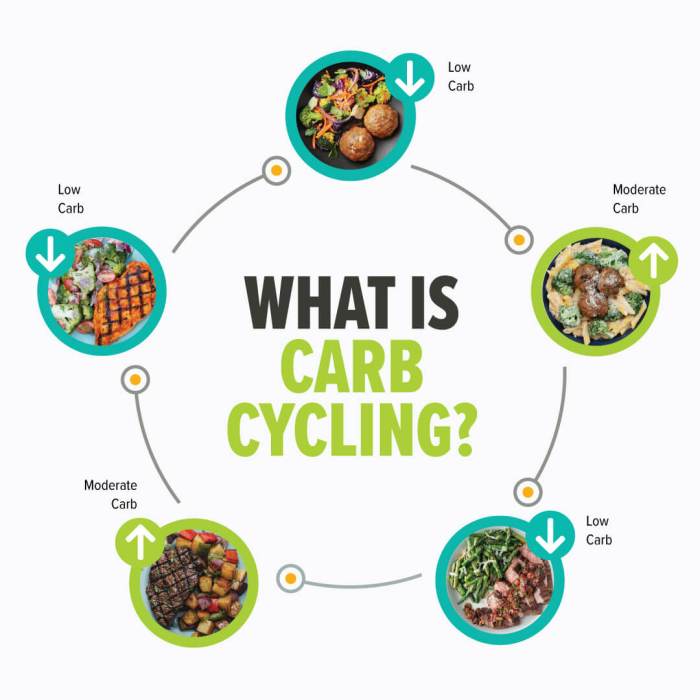
How to do carb cycling on keto? This guide delves into the intricacies of this popular dietary approach, combining the fat-burning benefits of keto with strategic carbohydrate reintroduction. We’ll explore the science behind carb cycling, providing practical strategies for planning your meals, tracking your macros, and monitoring your progress. Discover how to optimize your carb cycling plan for your specific needs and goals, maximizing results while minimizing potential drawbacks.
We will cover everything from creating personalized macronutrient plans and crafting delicious, keto-friendly recipes for both high- and low-carb days, to understanding how to adjust your plan based on your body’s response and maintaining motivation throughout the process. We will also address common concerns and offer solutions to ensure a safe and effective carb cycling journey.
Understanding Carb Cycling on Keto: How To Do Carb Cycling On Keto

Carb cycling on keto involves strategically manipulating your carbohydrate intake while maintaining a primarily ketogenic diet. This approach differs from a standard keto diet, which typically maintains a consistently low carbohydrate intake. Understanding the principles, benefits, drawbacks, and various scheduling options is crucial for successful implementation.
Principles of Carb Cycling on Keto
Carb cycling on keto hinges on the principle of metabolic flexibility – the body’s ability to efficiently switch between utilizing carbohydrates and fats for energy. By periodically introducing higher carbohydrate days, you aim to replenish glycogen stores (carbohydrate storage in muscles and liver), potentially improving performance and preventing plateaus in weight loss or muscle gain. Crucially, the carbohydrate intake remains relatively low even on high-carb days, ensuring that the body largely stays in ketosis.
The exact timing and amount of carbohydrate intake vary depending on individual goals and tolerance.
Potential Benefits and Drawbacks of Carb Cycling on Keto
Potential benefits include improved athletic performance due to increased glycogen availability, enhanced recovery from workouts, and a potential boost in metabolism. Some individuals also report feeling less fatigued and experiencing increased energy levels on carb cycling schedules. However, drawbacks include the potential for increased water retention on high-carb days, a greater risk of exiting ketosis if carbohydrate intake is too high, and the increased complexity of meal planning and tracking.
Individual responses vary significantly, making careful monitoring essential.
Comparison of Carb Cycling on Keto and Standard Ketogenic Diet
A standard ketogenic diet maintains a consistently low carbohydrate intake, typically below 50 grams per day. Carb cycling, on the other hand, involves planned fluctuations in carbohydrate intake, with some days featuring higher carbohydrate amounts while remaining within a ketogenic range. The standard keto diet prioritizes consistent ketosis for sustained weight loss, while carb cycling aims to leverage the benefits of both ketosis and periodic carbohydrate replenishment.
The choice between these approaches depends on individual goals, preferences, and tolerance.
Examples of Carb Cycling Schedules
Various carb cycling schedules exist, tailored to individual needs and goals. A common approach is a 4-day cycle, with 2-3 days of low carbohydrate intake and 1-2 days of moderate carbohydrate intake. A 7-day cycle might incorporate 4-5 days of low-carb and 2-3 days of moderate-carb intake. These schedules are not fixed; adjustments are often necessary based on individual responses and progress.
For example, a highly active individual might require more carbohydrates than someone with a less active lifestyle.
Sample Carb Cycling Plan (4-Day Cycle)
The following table provides a sample 4-day carb cycling plan. Remember that this is a template, and individual needs may vary significantly. Consult a healthcare professional or registered dietitian before starting any new diet plan.
| Day | Carb Intake (grams) | Macronutrient Ratio (Approximate) | Meal Examples |
|---|---|---|---|
| Day 1 (Low Carb) | 20 | 70% Fat, 25% Protein, 5% Carbs | Eggs with avocado, fatty fish with asparagus, chicken salad with olive oil and nuts |
| Day 2 (Low Carb) | 25 | 65% Fat, 25% Protein, 10% Carbs | Steak with cauliflower mash, broccoli cheese soup (using cream cheese), chicken thighs with spinach and olive oil |
| Day 3 (Low Carb) | 20 | 70% Fat, 25% Protein, 5% Carbs | Salmon with green beans, zucchini noodles with pesto, pork chops with Brussels sprouts |
| Day 4 (Moderate Carb) | 50 | 50% Fat, 30% Protein, 20% Carbs | Chicken breast with sweet potato and green beans, lean ground beef with berries and nuts, salmon with quinoa and roasted vegetables |
Carb Cycling and Other Dietary Approaches
Carb cycling on keto, while a unique approach, can be compared and contrasted with other dietary strategies to understand its place within the broader landscape of nutritional interventions. Understanding its potential synergy with other methods, as well as its suitability for various fitness goals and potential risks, is crucial for safe and effective implementation.
Carb Cycling on Keto Compared to Intermittent Fasting
Carb cycling on keto and intermittent fasting (IF) are both popular dietary strategies aimed at weight management and metabolic health, but they operate through different mechanisms. Carb cycling manipulates carbohydrate intake, alternating between high- and low-carb days within a ketogenic framework. Conversely, IF focuses on restricting thetiming* of food intake, cycling between periods of eating and voluntary fasting.
While both can lead to weight loss and improved metabolic markers, their effects on hormones and nutrient partitioning may differ. For instance, IF may be more effective at promoting autophagy (cellular self-cleaning) while carb cycling can lead to more consistent energy levels during higher-carb days, potentially supporting intense workouts. The optimal approach often depends on individual preferences, lifestyle, and fitness goals.
Synergy Between Carb Cycling and Other Dietary Approaches
The potential synergy between carb cycling and other dietary approaches, such as vegan keto, is an area of growing interest. Vegan keto itself presents challenges due to the inherent limitations of plant-based foods in providing sufficient fat and restricting carbohydrate intake. Incorporating carb cycling into a vegan keto plan could potentially alleviate some of these challenges. By strategically increasing carbohydrate intake on certain days, it might be easier to meet daily caloric and micronutrient needs without sacrificing adherence to the ketogenic principles.
However, careful planning and tracking of macronutrients are essential to ensure the diet remains effective.
Carb Cycling and Different Fitness Goals
Carb cycling on keto can be adapted to support various fitness goals. For fat loss, the low-carb days promote ketosis and fat burning, while higher-carb days can help prevent plateaus and maintain energy levels for workouts. For muscle gain, the higher-carb days provide the glycogen needed for muscle growth and recovery. However, the amount of carbohydrates should be carefully managed to avoid disrupting ketosis completely.
Athletes may find that strategically timed high-carb days around training sessions enhance performance. It is important to note that individual responses may vary, and adjustments to the carb cycling plan might be necessary to optimize results.
Potential Risks and Contraindications of Carb Cycling
While generally considered safe for healthy individuals, carb cycling on keto does carry potential risks. Individuals with a history of eating disorders or those with pre-existing medical conditions, such as diabetes or hypoglycemia, should proceed with caution and under the guidance of a healthcare professional. The fluctuating blood sugar levels associated with carb cycling can exacerbate these conditions.
Additionally, rapid weight fluctuations, although often temporary, can be stressful on the body. Potential side effects include headaches, fatigue, and digestive issues, especially during the initial adaptation phase.
Incorporating Superfoods and Supplements
Strategic incorporation of superfoods and supplements can enhance the effectiveness and nutrient density of a carb cycling keto diet. Superfoods rich in antioxidants and micronutrients, such as berries (on higher-carb days), leafy greens, and avocado, can help mitigate the potential negative effects of a restrictive diet. Supplements like electrolytes (sodium, potassium, magnesium) are crucial for preventing keto flu symptoms and maintaining hydration, especially during low-carb phases.
Omega-3 fatty acids can support overall health and reduce inflammation. However, it’s important to consult with a healthcare professional or registered dietitian before taking any supplements, especially if you have pre-existing health conditions or are taking other medications. The dosage and type of supplements should be individualized based on individual needs and preferences.
Healthy Recipes and Cooking Tips (across various diets)
This section provides a variety of recipes designed to suit different dietary needs, showcasing the versatility of carb cycling and highlighting the importance of balanced nutrition across various approaches. The recipes are categorized by diet type and emphasize whole, unprocessed ingredients. Remember to adjust portion sizes according to your individual caloric needs and macro goals.
Keto-Friendly Recipes for Low-Carb Days
These recipes are specifically designed for low-carb days within a carb cycling plan, focusing on healthy fats and protein. They are relatively quick to prepare and offer a satisfying meal without exceeding your daily carbohydrate limit.
| Recipe Name | Diet Type | Ingredients | Summary |
|---|---|---|---|
| Creamy Avocado Chicken Salad | Keto | Chicken breast, avocado, mayonnaise (full-fat), celery, red onion, salt, pepper, lime juice. | A simple, high-fat, high-protein salad perfect for a quick lunch or light dinner. |
| Cauliflower “Rice” Stir-fry | Keto | Cauliflower rice, broccoli florets, bell peppers, shrimp or chicken, coconut aminos, sesame oil, garlic, ginger. | A flavorful and satisfying stir-fry that replaces traditional rice with cauliflower rice, keeping carbs low. |
| Salmon with Asparagus and Lemon Butter Sauce | Keto | Salmon fillets, asparagus spears, butter, lemon juice, garlic, salt, pepper, dill. | A delicious and healthy meal rich in omega-3 fatty acids and protein. The lemon butter sauce adds a burst of flavor. |
Vegan Recipes Rich in Complex Carbohydrates
These recipes focus on plant-based sources of complex carbohydrates, providing sustained energy and essential nutrients. They are ideal for high-carb days within a carb cycling plan.
| Recipe Name | Diet Type | Ingredients | Summary |
|---|---|---|---|
| Lentil Soup with Brown Rice | Vegan | Brown rice, lentils, vegetable broth, carrots, celery, onion, garlic, spices (cumin, turmeric). | A hearty and nutritious soup packed with fiber and protein. Brown rice provides complex carbohydrates for sustained energy. |
| Quinoa Salad with Roasted Vegetables | Vegan | Quinoa, broccoli, sweet potatoes, Brussels sprouts, olive oil, balsamic vinegar, herbs (rosemary, thyme). | A vibrant and flavorful salad offering a good balance of complex carbohydrates, protein, and healthy fats. |
| Black Bean Burgers on Whole Wheat Buns | Vegan | Black beans, oats, onion, garlic, breadcrumbs (whole wheat), spices, whole wheat buns, lettuce, tomato. | A delicious and satisfying plant-based burger option. Whole wheat buns provide added fiber and complex carbohydrates. |
Vegetarian Recipes Emphasizing Lean Protein and Fiber, How to do carb cycling on keto
These vegetarian recipes prioritize lean protein sources and fiber-rich ingredients. They are versatile and can be adapted to fit both high and low-carb days in a carb cycling plan.
| Recipe Name | Diet Type | Ingredients | Summary |
|---|---|---|---|
| Greek Yogurt with Berries and Chia Seeds | Vegetarian | Greek yogurt (plain), mixed berries, chia seeds, honey or maple syrup (optional). | A simple and nutritious breakfast or snack packed with protein and fiber. Berries provide natural sweetness. |
| Lentil and Vegetable Curry | Vegetarian | Red lentils, coconut milk, onion, garlic, ginger, spinach, cauliflower, chickpeas, curry powder. | A flavorful and satisfying curry rich in protein and fiber. Lentils are an excellent source of plant-based protein. |
| Spinach and Feta Stuffed Portobello Mushrooms | Vegetarian | Portobello mushrooms, spinach, feta cheese, garlic, onion, breadcrumbs (whole wheat), olive oil. | A delicious and satisfying vegetarian main course with a good source of protein and fiber from the mushrooms and spinach. |
Recipes Showcasing Superfoods with Nutritional Benefits
These recipes highlight the power of superfoods, incorporating ingredients known for their high nutritional value. They can be adapted to fit various dietary needs.
| Recipe Name | Diet Type | Ingredients | Summary |
|---|---|---|---|
| Kale and Avocado Smoothie | Adaptable | Kale, avocado, banana, spinach, almond milk, chia seeds, protein powder (optional). | A nutrient-rich smoothie packed with vitamins, minerals, and healthy fats. Easily adaptable to keto by omitting the banana. |
| Berry and Chia Seed Pudding | Adaptable | Chia seeds, mixed berries, almond milk, honey or maple syrup (optional), coconut flakes. | A simple and delicious pudding packed with fiber, antioxidants, and omega-3 fatty acids. Can be made keto-friendly with a sugar-free alternative. |
| Salmon with Turmeric and Ginger | Adaptable | Salmon fillets, turmeric, ginger, garlic, olive oil, lemon juice, salt, pepper. | A flavorful and healthy meal rich in omega-3 fatty acids and anti-inflammatory compounds from turmeric and ginger. Adaptable to various diets. |
Mastering carb cycling on keto requires careful planning, consistent tracking, and a willingness to adapt. By understanding the principles, implementing the strategies Artikeld in this guide, and listening to your body’s feedback, you can harness the power of carb cycling to achieve your health and fitness goals. Remember that consistency is key, and seeking professional guidance is always advisable, especially if you have pre-existing health conditions.
Embrace the journey, celebrate your successes, and enjoy the delicious, fulfilling meals that are a crucial part of this approach.
General Inquiries
What are the potential side effects of carb cycling on keto?
Potential side effects can include headaches, fatigue, and digestive upset, particularly during the low-carb phases. These are often temporary and can be mitigated by proper hydration and electrolyte intake.
Can I build muscle while carb cycling on keto?
Yes, muscle growth is possible with carb cycling on keto, particularly if you’re incorporating sufficient protein and resistance training. The strategic carb refeeds can help replenish glycogen stores and support muscle recovery.
How often should I adjust my carb cycling plan?
Monitor your progress weekly. Adjust your plan if you’re not seeing the desired results or experiencing negative side effects. You might need to tweak your carb intake, macronutrient ratios, or exercise routine.
Is carb cycling suitable for everyone?
No, carb cycling may not be suitable for everyone, particularly individuals with certain medical conditions like diabetes or eating disorders. Consult your doctor or a registered dietitian before starting any new diet plan.


