Superfoods for Healthy Aging
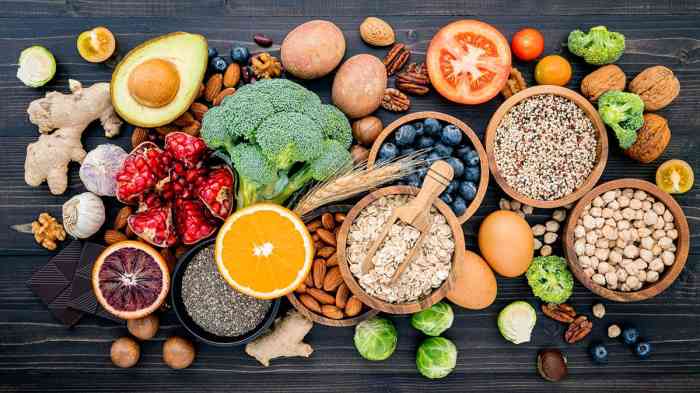
Superfoods for healthy aging: Unlocking the secrets to vibrant longevity isn’t about magic pills, but rather understanding the power of nutrient-rich foods. This exploration delves into the world of superfoods, examining their role in mitigating age-related diseases, boosting energy levels, and promoting overall well-being. We’ll uncover the science behind their benefits, provide practical tips for incorporating them into your daily diet, and address common misconceptions surrounding their use.
From crafting balanced meal plans to exploring the compatibility of superfoods with various dietary approaches like vegan, vegetarian, keto, and low-carb, we aim to equip you with the knowledge and tools to harness the potential of these remarkable foods. We will also address concerns about supplements versus whole foods, optimal timing with intermittent fasting, and budget-friendly options. Ultimately, this guide is designed to empower you to make informed choices about your diet and embrace a healthier, more vibrant aging journey.
Defining “Superfoods” for Healthy Aging
The term “superfood” is often used loosely in marketing, but in the context of healthy aging, it refers to nutrient-rich foods that offer significant health benefits, particularly supporting the body’s natural aging processes. While there’s no official scientific definition, superfoods for aging generally contain high concentrations of antioxidants, vitamins, minerals, and other bioactive compounds that combat oxidative stress, inflammation, and cellular damage – all factors contributing to age-related decline.
These foods support various bodily functions, enhancing cognitive function, boosting immunity, and maintaining healthy bones and cardiovascular systems.
Criteria for Classifying Superfoods for Healthy Aging
Several factors contribute to a food’s classification as a “superfood” beneficial for aging. High antioxidant capacity is crucial, as antioxidants neutralize free radicals that damage cells and contribute to aging. A dense nutrient profile, including vitamins (like A, C, D, E, and K), minerals (such as calcium, magnesium, and zinc), and essential fatty acids, is also key. Furthermore, the presence of bioactive compounds like phytochemicals (found in plants) which exhibit anti-inflammatory or other health-promoting properties are considered important.
Finally, extensive research and evidence supporting the food’s positive impact on age-related health markers, such as cognitive decline or cardiovascular health, strengthen its “superfood” status.
Ten Superfoods for Healthy Aging
The following table lists ten foods commonly associated with healthy aging, highlighting their key nutrients and benefits. Remember, this is not an exhaustive list, and individual needs may vary.
| Name | Key Nutrient | Benefit for Aging | Serving Suggestion |
|---|---|---|---|
| Blueberries | Antioxidants (anthocyanins) | Improved cognitive function, reduced inflammation | 1/2 cup fresh or frozen blueberries daily |
| Salmon | Omega-3 fatty acids | Reduced risk of heart disease, improved brain health | 3-4 ounces baked or grilled salmon twice a week |
| Spinach | Vitamins A, C, K; folate; antioxidants | Improved vision, strong bones, healthy blood | 1 cup raw spinach in a salad or smoothie |
| Avocado | Healthy fats, fiber, potassium | Lower cholesterol, improved heart health, better digestion | 1/2 avocado on toast or in a salad |
| Dark Chocolate (70% cacao or higher) | Flavanols, antioxidants | Improved blood flow, reduced blood pressure | 1-2 ounces daily |
| Nuts (almonds, walnuts, etc.) | Healthy fats, vitamin E, fiber | Improved heart health, better blood sugar control | A small handful (about 1 ounce) daily |
| Greek Yogurt | Protein, calcium, probiotics | Strong bones, improved gut health, muscle maintenance | 1 cup plain Greek yogurt |
| Beans (legumes) | Fiber, protein, iron | Improved digestion, stable blood sugar, healthy weight management | 1/2 cup cooked beans daily |
| Broccoli | Vitamins C and K, fiber | Improved immune function, healthy digestion, cancer prevention | 1 cup steamed or roasted broccoli |
| Sweet Potatoes | Vitamin A (beta-carotene), fiber | Improved vision, healthy digestion, strong immune system | 1 medium baked sweet potato |
Limitations of the “Superfood” Concept and the Importance of a Balanced Diet
While these foods offer significant health benefits, it’s crucial to understand that no single food can magically reverse aging or guarantee perfect health. The term “superfood” should not be interpreted as a license to neglect other aspects of a healthy lifestyle. The “superfood” concept is primarily a marketing tool, and relying solely on a few select foods can lead to nutritional imbalances.
A truly healthy and age-defying diet is characterized by a wide variety of nutrient-rich foods from all food groups, coupled with regular exercise, adequate sleep, and stress management. A balanced approach, incorporating diverse fruits, vegetables, whole grains, lean proteins, and healthy fats, is far more effective than focusing solely on a limited selection of “superfoods.” Prioritize whole, unprocessed foods and consult with a healthcare professional or registered dietitian for personalized dietary advice.
Superfoods and Age-Related Diseases
The aging process is inevitably accompanied by an increased risk of various chronic diseases. However, dietary choices play a significant role in mitigating these risks. The incorporation of superfoods, rich in essential nutrients and bioactive compounds, can contribute to a healthier aging journey by supporting overall health and reducing the likelihood of age-related conditions. This section explores the relationship between specific superfoods and the prevention or management of common age-related diseases.
Superfoods and Cardiovascular Disease Risk Reduction
Cardiovascular disease (CVD) remains a leading cause of death globally. Many superfoods offer protective effects against CVD through various mechanisms, including improved cholesterol levels, reduced blood pressure, and enhanced antioxidant defense. For example, berries, rich in anthocyanins, have demonstrated a positive impact on blood pressure and endothelial function, key factors in CVD development. Studies have shown that regular consumption of berries can contribute to a reduction in the risk of heart attack and stroke.
Similarly, fatty fish like salmon, packed with omega-3 fatty acids, help reduce inflammation and triglyceride levels, further protecting against CVD. The omega-3s EPA and DHA, found abundantly in salmon, have been shown in numerous clinical trials to lower blood pressure and improve heart health. Furthermore, incorporating foods like nuts and seeds, rich in healthy fats and fiber, into the diet contributes to overall cardiovascular health.
Antioxidant and Anti-inflammatory Properties of Selected Superfoods, Superfoods for healthy aging
Antioxidants combat oxidative stress, a key driver of aging and age-related diseases. Anti-inflammatory compounds help reduce chronic inflammation, linked to many chronic illnesses. Let’s compare three superfoods: blueberries, turmeric, and dark chocolate.Blueberries are renowned for their high anthocyanin content, potent antioxidants that neutralize free radicals, protecting cells from damage. Studies suggest that these antioxidants can contribute to improved cognitive function and reduced risk of neurodegenerative diseases.Turmeric, a spice containing curcumin, exhibits significant anti-inflammatory properties.
Curcumin’s ability to modulate inflammatory pathways has been linked to potential benefits in managing conditions like arthritis and reducing the risk of certain cancers. Numerous studies support its anti-inflammatory effects, although more research is needed to fully understand its impact on age-related diseases.Dark chocolate, particularly those with high cocoa content, contains flavanols, a type of antioxidant with cardiovascular benefits.
Flavanols improve blood flow and reduce blood pressure, contributing to better heart health. However, moderation is key due to the calorie and sugar content of most commercially available dark chocolate.
Scientific Evidence Supporting Health Claims
The health benefits attributed to superfoods are often supported by a body of scientific evidence, though further research is often needed. Many studies, including randomized controlled trials and observational studies, have investigated the impact of specific superfoods on various health outcomes. For example, numerous studies have demonstrated the positive effects of regular berry consumption on cardiovascular health, cognitive function, and blood sugar control.
Similarly, extensive research supports the anti-inflammatory properties of curcumin and its potential benefits in managing various inflammatory conditions. However, it is crucial to interpret this evidence cautiously, as the effects of superfoods can vary depending on factors such as the individual’s overall diet, lifestyle, and genetic makeup. Moreover, the concentration of bioactive compounds in superfoods can vary depending on factors like growing conditions and processing methods.
Therefore, while promising results exist, further research is ongoing to fully elucidate the mechanisms and optimal dosages for maximizing the health benefits of superfoods.
Incorporating Superfoods into Daily Diets
Successfully integrating superfoods into your daily diet doesn’t require drastic changes or overly complicated recipes. A gradual approach, focusing on simple substitutions and additions, can significantly boost your nutrient intake and support healthy aging. Remember, consistency is key – small, regular changes yield better long-term results than sporadic attempts at radical dietary overhauls.This section provides practical strategies for incorporating superfoods into your meals and snacks, along with a sample meal plan to illustrate these concepts.
The focus is on ease of implementation and minimal disruption to existing eating habits.
A Sample Weekly Meal Plan Incorporating Superfoods
This sample meal plan for a 65-year-old individual with no specific dietary restrictions showcases the easy integration of five superfoods: blueberries, salmon, spinach, almonds, and avocado. Portion sizes can be adjusted based on individual caloric needs and preferences.
| Day | Breakfast | Lunch | Dinner |
|---|---|---|---|
| Monday | Oatmeal with blueberries and almonds | Spinach salad with grilled chicken and avocado | Salmon with roasted vegetables |
| Tuesday | Greek yogurt with blueberries and a sprinkle of almonds | Leftover salmon and vegetables | Chicken stir-fry with spinach |
| Wednesday | Scrambled eggs with spinach and avocado toast | Tuna salad sandwich on whole-wheat bread with avocado | Lentil soup with a side salad |
| Thursday | Smoothie with spinach, blueberries, and almond milk | Leftover lentil soup | Baked chicken breast with roasted sweet potatoes and spinach |
| Friday | Whole-wheat toast with avocado and a sprinkle of almonds | Salad with grilled salmon and avocado | Pizza with spinach and mushrooms |
| Saturday | Pancakes with blueberries and a side of almonds | Leftover pizza | Salmon burgers on whole-wheat buns with avocado |
| Sunday | Breakfast burrito with scrambled eggs, spinach, and avocado | Leftover salmon burgers | Roast chicken with roasted vegetables and a side salad |
Practical Tips for Incorporating Superfoods
Adding superfoods to your existing meals often requires minimal effort. Small substitutions can make a big difference. For instance, adding a handful of blueberries to your morning cereal, incorporating spinach into your omelet, or sprinkling almonds on your salad are all simple yet effective ways to boost your nutrient intake.Consider these practical tips:* Blend it: Add spinach or berries to smoothies for a quick and easy way to increase your intake of vitamins and antioxidants.
Stir it in
Incorporate finely chopped spinach or kale into sauces, soups, or stews. The flavor blends seamlessly, and you won’t even notice the addition.
Sprinkle it on
Use almonds, walnuts, or chia seeds as a topping for yogurt, salads, or oatmeal.
Spread it
Avocado is incredibly versatile. Use it as a spread on toast, in sandwiches, or as a healthy substitute for mayonnaise.
Easy Superfood Snack Ideas
Busy individuals often struggle to find time for healthy snacks. However, pre-portioning and selecting convenient options can overcome this challenge. Here are some quick and nutritious superfood snacks:* A handful of almonds or walnuts.
- A small bowl of berries (blueberries, raspberries, strawberries).
- A piece of fruit (apple, banana, orange) with a tablespoon of almond butter.
- Baby carrots and hummus.
- Greek yogurt with a sprinkle of chia seeds.
- A hard-boiled egg.
- Avocado slices on whole-wheat crackers.
Healthy Recipes and Cooking Tips for Superfoods: Superfoods For Healthy Aging
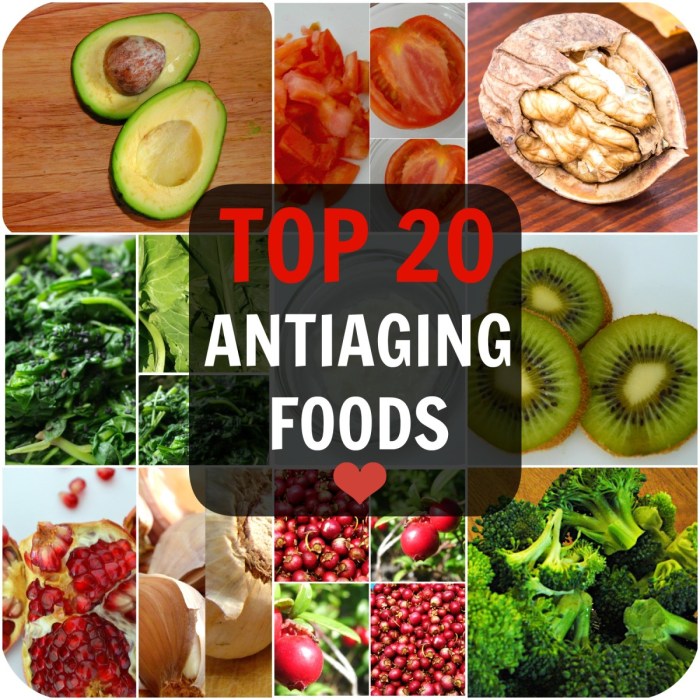
Incorporating superfoods into your diet doesn’t require complex culinary skills. Simple, delicious recipes can easily highlight the nutritional benefits of these powerhouse ingredients. This section provides three healthy recipes featuring superfoods, along with practical cooking tips to preserve their nutritional value and enhance their flavor. Proper food storage is also crucial to maintain the integrity of these valuable foods.
Three Superfood Recipes
These recipes offer a variety of flavors and textures, showcasing the versatility of superfoods in everyday meals. Each recipe includes detailed instructions and nutritional information (approximate values, may vary based on specific ingredients).
Berry Quinoa Bowl with Chia Seeds
Ingredients: 1 cup quinoa, 2 cups mixed berries (strawberries, blueberries, raspberries), 1 tablespoon chia seeds, 1/4 cup chopped nuts (almonds, walnuts), 1/4 cup plain Greek yogurt (optional).
Instructions: Cook quinoa according to package directions. In a bowl, combine cooked quinoa, berries, chia seeds, and nuts. Top with Greek yogurt, if desired.
Nutritional Information (per serving): Approximately 350 calories, 10g protein, 60g carbohydrates, 10g fat, high in fiber and antioxidants.
Salmon with Roasted Broccoli and Sweet Potato
Ingredients: 1 salmon fillet (6 oz), 1 cup broccoli florets, 1 medium sweet potato (cubed), 1 tablespoon olive oil, salt, pepper, herbs (rosemary, thyme).
Instructions: Preheat oven to 400°F (200°C). Toss sweet potato and broccoli with olive oil, salt, pepper, and herbs. Roast for 20 minutes. Season salmon with salt and pepper. Bake alongside vegetables for the last 10-12 minutes, or until salmon is cooked through.
Nutritional Information (per serving): Approximately 450 calories, 30g protein, 40g carbohydrates, 20g fat, rich in omega-3 fatty acids, vitamin D, and fiber.
Lentil Soup with Spinach
Ingredients: 1 cup brown or green lentils, 4 cups vegetable broth, 1 onion (chopped), 2 carrots (chopped), 2 celery stalks (chopped), 1 cup spinach, 1 teaspoon cumin, salt, pepper.
Instructions: Sauté onion, carrots, and celery in a pot until softened. Add lentils, vegetable broth, and cumin. Bring to a boil, then reduce heat and simmer for 30-40 minutes, or until lentils are tender. Stir in spinach during the last 5 minutes of cooking. Season with salt and pepper to taste.
Nutritional Information (per serving): Approximately 250 calories, 15g protein, 40g carbohydrates, 5g fat, high in fiber and iron.
Cooking Tips for Maximizing Nutritional Value and Flavor
Proper cooking techniques are essential to retain the nutritional content and enhance the flavor profiles of superfoods. Avoid overcooking, which can destroy heat-sensitive vitamins and minerals. Steaming, stir-frying, and baking are generally preferred methods.
Proper Food Storage to Maintain Nutritional Integrity
Storing superfoods correctly is crucial to preserving their nutritional value. Fresh produce should be refrigerated promptly and consumed within a few days. Frozen superfoods, on the other hand, can maintain their nutritional content for extended periods. Properly sealed containers help prevent spoilage and nutrient loss. For example, berries should be stored in a single layer in a container to avoid crushing.
Leafy greens can be stored in a perforated plastic bag to maintain freshness. Proper storage prevents oxidation and enzymatic degradation that diminish nutritional value.
Vegan and Vegetarian Diets with Superfoods
Adopting a vegan or vegetarian lifestyle offers numerous health benefits, and incorporating superfoods can further enhance these advantages, creating a diet rich in nutrients and antioxidants. However, careful planning is essential to ensure adequate intake of all essential nutrients, particularly those often found in animal products.
A well-planned vegan or vegetarian diet can easily provide all the necessary nutrients for healthy aging, even surpassing the nutritional value of a diet that includes animal products. By strategically selecting superfoods, individuals can address potential nutrient deficiencies and enjoy a vibrant, healthy life.
Suitable Superfood Substitutes for Animal-Based Protein
Many plant-based foods offer excellent sources of protein and other essential nutrients often associated with animal products. Replacing animal protein with these superfoods not only provides a sustainable alternative but also adds significant nutritional value to the diet.
For example, quinoa, a complete protein containing all nine essential amino acids, is an excellent substitute for meat in many dishes. Lentils, another powerhouse of protein and fiber, provide sustained energy and support healthy digestion. Chia seeds, rich in omega-3 fatty acids and protein, can be added to smoothies, yogurt, or baked goods for a nutritional boost. Tofu, tempeh, and edamame, made from soybeans, are versatile protein sources adaptable to various cuisines.
Addressing Potential Nutrient Deficiencies in Vegan/Vegetarian Diets
While a well-planned vegan or vegetarian diet is nutritionally complete, certain nutrients require special attention. Vitamin B12, typically found only in animal products, is crucial for nerve function and red blood cell formation. Vegans and vegetarians should supplement with B12 or consume fortified foods. Iron, essential for oxygen transport, is often less bioavailable from plant sources than animal sources.
Pairing iron-rich foods like spinach or lentils with vitamin C-rich foods, such as citrus fruits, enhances iron absorption. Omega-3 fatty acids, important for brain health and heart health, are found in higher concentrations in fatty fish. However, plant-based sources like flaxseeds, chia seeds, and walnuts can provide adequate amounts when consumed regularly. Calcium, vital for bone health, is readily available in leafy greens, fortified plant milks, and tofu.
Vegan and Vegetarian Superfood Recipes
A balanced vegan or vegetarian diet can be both delicious and nutritionally satisfying. The following table provides examples of recipes incorporating superfoods for various meals:
| Meal Type | Recipe Name | Key Superfoods | Link/Description |
|---|---|---|---|
| Breakfast | Berry Quinoa Breakfast Bowl | Quinoa, Berries, Chia Seeds | Combine cooked quinoa with mixed berries and a sprinkle of chia seeds. |
| Lunch | Lentil Soup with Spinach | Lentils, Spinach | A hearty and nutritious soup packed with protein and iron. |
| Dinner | Tofu Stir-fry with Brown Rice | Tofu, Brown Rice, Broccoli | A quick and easy stir-fry rich in protein and fiber. |
| Breakfast | Avocado Toast with Everything Bagel Seasoning | Avocado | Simple yet satisfying, providing healthy fats and fiber. |
| Lunch | Kale and Chickpea Salad Sandwich | Kale, Chickpeas | A filling and flavorful salad sandwich perfect for lunch. |
| Dinner | Black Bean Burgers on Whole Wheat Buns | Black Beans | A delicious and healthy alternative to traditional burgers. |
Keto and Low-Carb Diets and Superfoods
The ketogenic and low-carb diets, characterized by very low carbohydrate intake and high fat consumption, have gained popularity for weight management and other health benefits. Successfully navigating these diets requires careful food selection, and incorporating superfoods can enhance their nutritional value and overall effectiveness. Understanding which superfoods are naturally low in carbohydrates and how to incorporate them is key to maximizing the benefits of these dietary approaches.The compatibility of superfoods with keto and low-carb diets depends largely on their carbohydrate content.
Many superfoods, while incredibly nutrient-dense, are relatively high in carbohydrates and therefore unsuitable for strict ketogenic protocols. However, a significant number offer substantial benefits while remaining within the carbohydrate limits of these diets. Careful planning and mindful selection are crucial to ensuring adequate nutrient intake while adhering to the macronutrient ratios of keto and low-carb eating.
Superfoods Suitable for Keto and Low-Carb Diets
Several superfoods naturally align with the low-carbohydrate principles of keto and low-carb diets. These foods provide essential vitamins, minerals, and antioxidants without significantly impacting blood sugar levels. Prioritizing these options can contribute to a more balanced and nutritionally complete dietary plan.
- Avocado: Rich in healthy monounsaturated fats, fiber, and various vitamins. A single avocado contains approximately 15 grams of carbohydrates, but a significant portion of this is fiber, leaving a net carb count more suitable for keto diets.
- Macadamia Nuts: These nuts are packed with healthy fats and offer a good source of fiber and essential minerals. Their carbohydrate content is relatively low.
- Chia Seeds: While containing some carbohydrates, chia seeds are rich in fiber, which slows down digestion and prevents blood sugar spikes. They also provide omega-3 fatty acids and various minerals.
- Olive Oil: A staple in the Mediterranean diet, olive oil is primarily composed of monounsaturated fats and is an excellent source of antioxidants. It’s carbohydrate-free.
- Salmon: A fatty fish rich in omega-3 fatty acids, protein, and various vitamins and minerals. It’s virtually carbohydrate-free.
Keto-Friendly Superfood Recipes
The following recipes illustrate how to incorporate superfoods into keto and low-carb meals, highlighting their macronutrient profiles. Remember that macronutrient counts can vary depending on specific ingredients and portion sizes.
- Avocado Chocolate Mousse: This dessert combines the creamy texture of avocado with the richness of cocoa powder. A typical serving might contain approximately 10g fat, 5g protein, and 5g net carbs. (Ingredients: ripe avocado, unsweetened cocoa powder, erythritol or stevia, heavy cream).
- Salmon with Roasted Asparagus and Macadamia Nuts: This dish offers a healthy balance of protein, healthy fats, and micronutrients. A serving might contain approximately 20g fat, 30g protein, and 5g net carbs. (Ingredients: wild-caught salmon fillet, asparagus spears, macadamia nuts, olive oil, salt, pepper).
- Chia Seed Pudding with Coconut Milk and Berries (limited quantity): While chia seeds are keto-friendly, limiting the berries to a small portion keeps the carbohydrate count manageable. A serving might contain approximately 15g fat, 5g protein, and 10g net carbs. (Ingredients: chia seeds, full-fat coconut milk, a small amount of low-carb berries, sweetener to taste).
Embracing a diet rich in superfoods is a proactive step toward healthy aging, offering a multitude of benefits beyond simply extending lifespan. By understanding the unique nutritional properties of these foods and incorporating them thoughtfully into your daily routine, you can significantly enhance your physical and cognitive well-being. Remember that while superfoods play a crucial role, a balanced diet, regular exercise, and mindful lifestyle choices are equally important pillars of a healthy and fulfilling life.
The journey to healthy aging is a holistic one, and the rewards are well worth the effort.
FAQs
Are all superfoods suitable for everyone?
No, individual needs and potential allergies should be considered. Always consult a doctor or registered dietitian before making significant dietary changes, especially if you have pre-existing health conditions.
Can I rely solely on superfood supplements?
While supplements can be helpful in addressing specific deficiencies, they should not replace whole foods. Whole superfoods provide a broader range of nutrients and beneficial compounds.
How can I incorporate superfoods on a tight budget?
Choose seasonal produce, buy in bulk when possible, and consider less expensive alternatives. For example, lentils are a budget-friendly source of protein and fiber, similar to many more expensive superfoods.
What if I don’t like the taste of certain superfoods?
Experiment with different recipes and preparation methods. Many superfoods can be incorporated subtly into smoothies, soups, or other dishes without significantly altering the taste.


