How to Break an Intermittent Fast
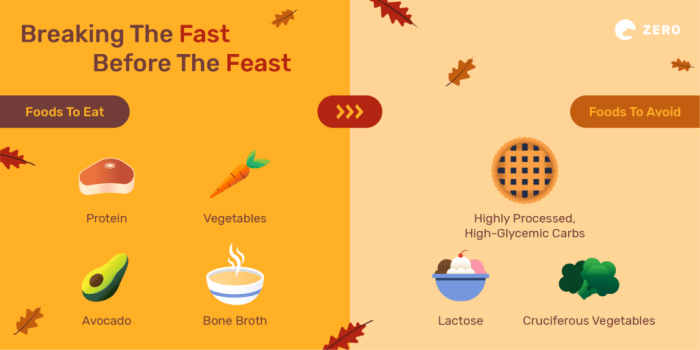
How to break an intermittent fast is a crucial aspect of understanding and successfully utilizing this popular dietary approach. Successfully breaking a fast minimizes discomfort and maximizes the potential benefits of intermittent fasting, whether you’re following a 16/8, 5:2, or another method. This guide will explore the optimal strategies for reintroducing food after a fasting period, emphasizing nutrient-rich choices and hydration to support your overall well-being.
We’ll cover everything from selecting appropriate foods and crafting sample meal plans to avoiding common mistakes that can hinder your progress. We’ll also address specific dietary needs, such as vegan, vegetarian, keto, and low-carb approaches, ensuring that our advice is inclusive and adaptable to diverse lifestyles. Learn how to maintain energy, manage weight, and support your gut health throughout your intermittent fasting journey.
Understanding Intermittent Fasting (IF)
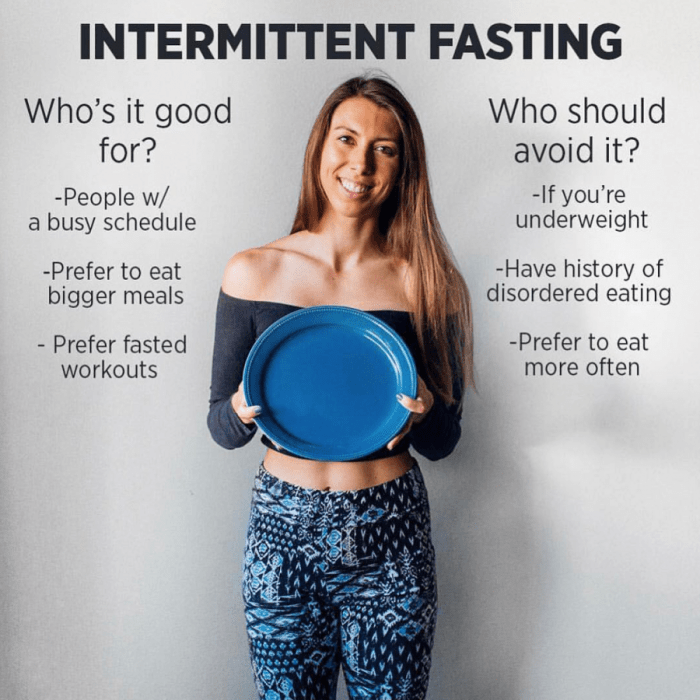
Intermittent fasting (IF) is an eating pattern that cycles between periods of eating and voluntary fasting on a regular schedule. Unlike traditional diets that focus on
- what* you eat, IF focuses on
- when* you eat. It’s important to understand that IF is not a diet in the traditional sense; it’s a structured eating schedule designed to help manage weight and potentially improve overall health. Various methods exist, each with its own approach to fasting and eating windows.
Intermittent Fasting Methods
Several popular intermittent fasting methods exist, each with its own approach to fasting and eating windows. Choosing the right method depends on individual preferences, lifestyles, and health conditions. It’s crucial to consult a healthcare professional before starting any IF regimen.
- 16/8 Method (Leangains Protocol): This involves fasting for 16 hours and consuming all your meals within an 8-hour eating window. For example, you might eat between 12 pm and 8 pm, fasting overnight and throughout the morning. This is often considered a beginner-friendly method due to its relative ease of implementation.
- 5:2 Diet: This method involves eating normally for five days of the week and restricting calorie intake to around 500-600 calories on two non-consecutive days. This approach allows for greater flexibility in daily eating patterns but requires careful planning and monitoring of calorie intake on fasting days.
- Alternate-Day Fasting: This more rigorous approach involves fasting every other day. On fasting days, calorie intake is severely restricted or completely avoided. This method is generally not recommended for beginners and requires careful medical supervision.
Potential Benefits of Intermittent Fasting
While research is ongoing, several potential benefits are associated with intermittent fasting. It’s important to note that these benefits are not guaranteed and may vary depending on individual factors.
- Weight Loss: IF can promote weight loss by creating a calorie deficit. By restricting the eating window, it can naturally limit overall calorie intake.
- Improved Insulin Sensitivity: Studies suggest that IF may improve insulin sensitivity, potentially reducing the risk of type 2 diabetes. This occurs because the body utilizes stored fat for energy during fasting periods.
- Cellular Repair: Some research indicates that intermittent fasting may promote cellular repair processes, such as autophagy (the process of removing damaged cells).
- Reduced Inflammation: Certain studies suggest a potential link between IF and reduced inflammation in the body.
Potential Risks of Intermittent Fasting
Intermittent fasting, while potentially beneficial for some, carries certain risks. These risks are more pronounced in individuals with pre-existing health conditions. Careful consideration and medical consultation are essential.
- Nutrient Deficiencies: Restricting eating windows can lead to nutrient deficiencies if not carefully planned. A balanced diet during eating windows is crucial.
- Headaches and Dizziness: Initially, some individuals may experience headaches, dizziness, or low energy levels due to changes in blood sugar levels. These symptoms usually subside as the body adapts.
- Muscle Loss: Prolonged or improperly implemented IF may lead to muscle loss, especially if combined with inadequate protein intake.
- Negative Impact on Certain Medical Conditions: Individuals with diabetes, eating disorders, or certain other health conditions should avoid IF without consulting their physician.
Safely Beginning Intermittent Fasting
Starting intermittent fasting safely requires a gradual and informed approach. It’s not a race, and patience is key.
- Consult Your Doctor: Before beginning any IF regimen, consult your physician, especially if you have pre-existing health conditions.
- Start Slowly: Begin with a less restrictive method like the 16/8 method, gradually increasing the fasting duration as your body adapts.
- Hydration is Key: Drink plenty of water, unsweetened tea, or black coffee during fasting periods to stay hydrated and suppress hunger.
- Focus on Nutrient-Dense Foods: During your eating window, prioritize whole, unprocessed foods rich in nutrients to ensure adequate intake.
- Listen to Your Body: Pay attention to your body’s signals. If you experience persistent negative side effects, adjust your approach or stop fasting.
Breaking Your Fast Safely and Effectively
Successfully breaking an intermittent fast is crucial for maximizing its benefits and minimizing any potential discomfort. A gradual and mindful approach, focusing on nutrient-rich foods and adequate hydration, will help your body transition smoothly from a fasted state to a fed state. Ignoring this crucial step can lead to unwanted symptoms such as dizziness, headaches, or digestive upset.
Choosing Appropriate Foods for Breaking a Fast
The best foods to consume after a fast are those that are easily digestible and provide a balanced source of nutrients. Avoid overly processed foods, sugary drinks, and large quantities of fat, which can overwhelm your digestive system after a period of fasting. Instead, opt for foods that are gentle on the stomach and provide sustained energy.
- Fruits: Berries, bananas, and apples offer natural sugars and fiber for a gentle reintroduction of nutrients.
- Vegetables: Leafy greens, avocado, and sweet potatoes provide essential vitamins and minerals, alongside fiber for satiety.
- Lean protein: Eggs, Greek yogurt, or a small portion of fish offer protein to support muscle repair and satiety.
- Complex carbohydrates: Oats, quinoa, or brown rice provide sustained energy without the blood sugar spike of refined carbohydrates.
The Importance of Hydration During and After a Fast
Hydration is paramount throughout the entire intermittent fasting process, especially during the breaking phase. Dehydration can exacerbate any negative side effects associated with breaking a fast, such as headaches and fatigue. Electrolyte balance is also important, as fasting can deplete electrolytes like sodium and potassium.
Adequate hydration supports optimal bodily functions, aiding digestion and nutrient absorption.
Sample Meal Plan for Breaking a Fast
This sample meal plan demonstrates a balanced approach to breaking a fast. Remember to adjust portion sizes according to your individual needs and activity levels. This plan focuses on nutrient density and gradual reintroduction of food.
| Meal | Food Items | Rationale |
|---|---|---|
| First Meal (within 30 minutes of breaking the fast) | A small bowl of berries with a handful of almonds | Gentle introduction of natural sugars, antioxidants, and healthy fats. |
| Second Meal (1-2 hours later) | Scrambled eggs with spinach and a slice of whole-wheat toast | Provides protein, vitamins, and complex carbohydrates for sustained energy. |
| Third Meal (3-4 hours later) | Grilled salmon with a side of quinoa and steamed broccoli | Lean protein, complex carbohydrates, and fiber for satiety and nutrient balance. |
Common Mistakes to Avoid When Breaking a Fast
Successfully breaking an intermittent fast is crucial for reaping its benefits. Rushing the process or making poor food choices can negate the positive effects and even lead to negative health consequences. Understanding common pitfalls and adopting preventative strategies is key to maximizing the advantages of intermittent fasting.Many individuals make mistakes when ending their fasting period, often unknowingly undermining their efforts.
These errors can range from consuming overly processed foods to neglecting hydration. The consequences can manifest as digestive discomfort, energy crashes, and even weight gain, ultimately hindering the overall health and well-being goals associated with intermittent fasting.
Overconsumption of Processed Foods, How to break an intermittent fast
Breaking a fast with highly processed foods, laden with sugar, unhealthy fats, and refined carbohydrates, is a frequent error. These foods cause a rapid spike in blood sugar, leading to an insulin surge followed by a subsequent crash, leaving you feeling sluggish and potentially contributing to weight gain. Instead of experiencing a gentle reintroduction of nutrients, your body is bombarded with a large amount of easily digestible sugars and refined carbohydrates that overwhelm your system.
For example, consuming a large bag of chips or a sugary soda immediately after a fast will likely lead to these negative consequences. Opting for whole, unprocessed foods rich in fiber and protein promotes a more gradual and sustainable increase in blood sugar levels.
Insufficient Hydration
Dehydration is often overlooked during the breaking of a fast. After a period of fasting, the body is likely to be slightly dehydrated. Failing to rehydrate adequately can lead to headaches, fatigue, and impaired cognitive function. Consuming plenty of water, and potentially electrolyte-rich beverages, is essential for restoring hydration balance and supporting overall well-being. Adequate hydration helps the body process nutrients effectively and aids in overall bodily functions.
For instance, after a 16-hour fast, drinking a large glass of water followed by another glass over the next hour would help mitigate the risk of dehydration.
Ignoring Hunger Cues
Ignoring your body’s natural hunger signals and consuming excessively large portions of food immediately after a fast can cause digestive discomfort and negate the positive metabolic effects of intermittent fasting. This can manifest as bloating, indigestion, and even nausea. It’s important to listen to your body and consume food gradually, starting with smaller portions and allowing your digestive system to adjust.
For example, instead of immediately consuming a large plate of food, start with a smaller, nutrient-rich meal and see how your body responds before consuming more.
Neglecting Macronutrient Balance
Concentrating solely on one macronutrient (carbohydrates, proteins, or fats) when breaking a fast is another common mistake. A balanced approach that includes a combination of all three macronutrients is crucial for optimal nutrient absorption and sustained energy levels. A meal consisting solely of carbohydrates, for instance, will lead to a rapid spike in blood sugar and a subsequent crash.
A balanced approach ensures a more stable energy level and promotes better overall health. A balanced meal might include lean protein, healthy fats, and complex carbohydrates, providing sustained energy and promoting satiety.
Healthy Recipes and Cooking Tips for Post-Fast Meals: How To Break An Intermittent Fast
Breaking your fast requires careful consideration of what you eat. The goal is to gently reintroduce nutrients to your body without overwhelming your digestive system. Choosing nutrient-rich foods and preparing them thoughtfully will ensure a smooth and comfortable transition out of your fasting period. This section will provide recipes and tips to help you achieve this.
Three Healthy Recipes for Breaking a Fast
The following recipes are designed to be easily digestible and packed with essential nutrients to replenish your body after a fast. They offer a balance of protein, healthy fats, and complex carbohydrates, crucial for restoring energy levels and supporting overall well-being.
| Name | Ingredients | Instructions | Approximate Calories |
|---|---|---|---|
| Avocado Toast with Egg | 1 slice whole-wheat toast, ½ avocado, 1 egg, salt, pepper, red pepper flakes (optional) | Toast bread. Mash avocado and spread on toast. Cook egg to your preference (poached, scrambled, fried). Top toast with egg and seasonings. | 350-450 |
| Smoothie with Berries and Greek Yogurt | 1 cup mixed berries (strawberries, blueberries, raspberries), ½ cup Greek yogurt, ½ cup almond milk, 1 tablespoon chia seeds, honey or maple syrup to taste (optional) | Combine all ingredients in a blender and blend until smooth. | 250-350 |
| Salmon with Roasted Asparagus | 4 oz salmon fillet, 1 bunch asparagus, 1 tablespoon olive oil, salt, pepper, lemon juice | Preheat oven to 400°F (200°C). Toss asparagus with olive oil, salt, and pepper. Roast for 15-20 minutes. Season salmon with salt, pepper, and lemon juice. Bake alongside asparagus for the last 10-12 minutes, or until salmon is cooked through. | 400-500 |
Practical Cooking Tips for Efficient Meal Preparation
Efficient meal preparation is key, especially when you’re breaking a fast. These tips will help you create healthy and delicious meals quickly and easily.
- Prep ingredients in advance: Chop vegetables and measure out ingredients ahead of time to save time during cooking.
- Utilize one-pan or one-pot meals: Minimize cleanup and cooking time by using methods that require minimal dishes.
- Cook extra portions: Leftovers can be enjoyed for lunch the next day, saving you time and effort.
- Embrace simple recipes: Choose recipes with fewer ingredients and steps to make cooking less daunting.
Healthy Ingredients and Their Nutritional Benefits
Choosing the right ingredients is crucial for a successful post-fast meal. The following list highlights some beneficial options and their nutritional advantages.
- Avocados: Rich in healthy monounsaturated fats, fiber, and potassium. These fats help regulate blood sugar and promote satiety.
- Berries: Packed with antioxidants, vitamins, and fiber. Antioxidants help protect cells from damage, while fiber aids digestion.
- Greek Yogurt: High in protein, calcium, and probiotics. Protein helps build and repair tissues, calcium supports bone health, and probiotics improve gut health.
- Salmon: Excellent source of omega-3 fatty acids, protein, and vitamin D. Omega-3s support heart health, while protein is essential for muscle growth and repair.
- Asparagus: Good source of fiber, folate, and vitamins A, C, and K. These nutrients support various bodily functions, including immune function and cell growth.
- Chia Seeds: High in fiber, omega-3 fatty acids, and antioxidants. They contribute to digestive health and provide sustained energy.
- Whole-wheat bread: Offers complex carbohydrates, fiber, and essential nutrients compared to refined grains. Provides sustained energy release.
- Olive Oil: A healthy source of monounsaturated fats, known for their heart-protective properties.
Mastering the art of breaking your intermittent fast is key to reaping its numerous health benefits. By understanding the importance of gradual refeeding, prioritizing nutrient-dense foods, and staying well-hydrated, you can optimize your results and avoid potential pitfalls. Remember that consistency and mindful choices are paramount. With careful planning and the guidance provided here, you can successfully navigate the transition from fasting to eating, maximizing the positive impact of intermittent fasting on your health and well-being.
Embrace a balanced approach, and enjoy the journey towards a healthier you.
Key Questions Answered
What if I feel lightheaded when breaking my fast?
Start with small portions of easily digestible foods and ensure adequate hydration. If symptoms persist, consult a healthcare professional.
Can I drink coffee or tea while breaking my fast?
Black coffee or tea (without added sugar or cream) are generally considered acceptable by many following intermittent fasting, but this depends on your specific fasting protocol. Always check with your doctor or nutritionist.
How long should I wait before exercising after breaking my fast?
This depends on the intensity of your workout and how your body feels. It’s generally recommended to wait at least an hour after eating a light meal before engaging in strenuous activity.
Is it okay to break my fast with fruit?
While fruit is healthy, it’s often high in sugar. Consider starting with a small portion and combining it with other nutrient-rich foods.


