Antioxidant-rich Superfoods A Comprehensive Guide
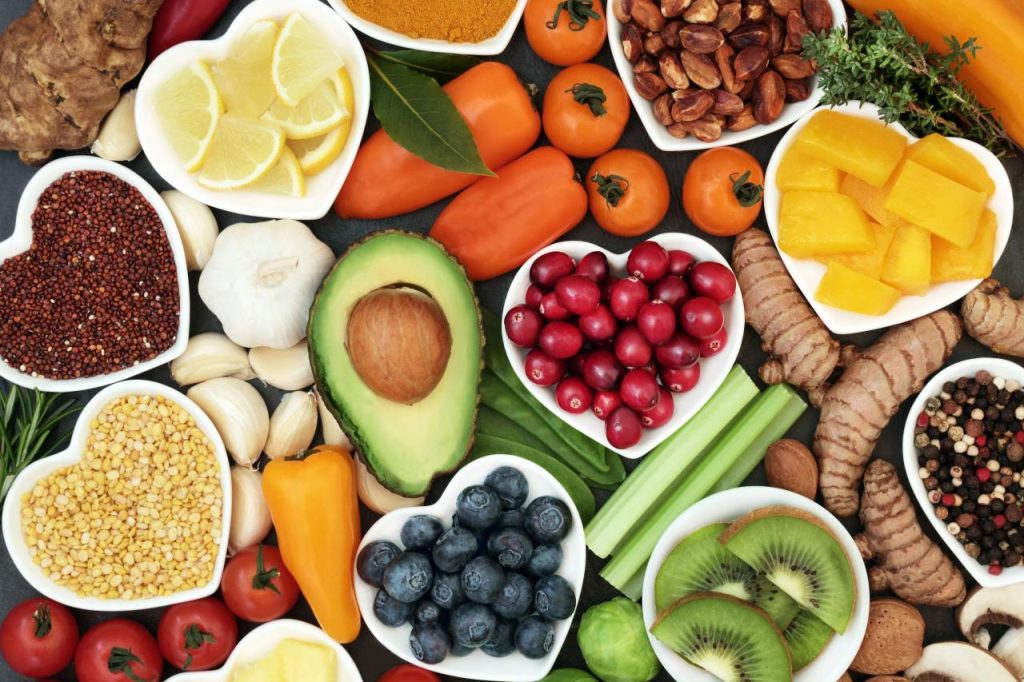
Antioxidant-rich superfoods are nutritional powerhouses, offering a wealth of health benefits beyond basic sustenance. These foods, packed with vitamins, minerals, and, most importantly, antioxidants, play a crucial role in protecting our cells from damage caused by free radicals. This guide delves into the world of these remarkable foods, exploring their diverse types, health implications, and practical applications in various diets.
From vibrant berries bursting with antioxidants to leafy greens brimming with protective compounds, the variety is astonishing. We’ll examine the science behind their protective mechanisms, explore their roles in preventing chronic diseases and boosting immunity, and provide actionable strategies for incorporating them into your daily life, regardless of your dietary preferences.
Defining Antioxidant-Rich Superfoods
Antioxidant-rich superfoods are nutrient-dense foods containing high concentrations of antioxidants, compounds that protect your cells from damage caused by free radicals. These foods play a crucial role in maintaining overall health and well-being, contributing to disease prevention and improved longevity. Understanding which foods are rich in antioxidants and the types of antioxidants they contain is key to maximizing their health benefits.
Types of Antioxidants and Their Benefits
Antioxidants work by neutralizing free radicals, unstable molecules that can damage cells and contribute to aging and various diseases. Different antioxidants have varying mechanisms of action and associated benefits. Some key antioxidant types include vitamins (like vitamin C and E), minerals (like selenium and zinc), and phytonutrients (like carotenoids and flavonoids). Vitamin C, for example, is a potent water-soluble antioxidant that protects against cell damage and boosts the immune system.
Vitamin E, a fat-soluble antioxidant, protects cell membranes from oxidative stress. Carotenoids, found in many colorful fruits and vegetables, act as antioxidants and are also precursors to vitamin A, essential for vision and immune function. Flavonoids, a diverse group of phytonutrients, exhibit a wide range of antioxidant and anti-inflammatory properties. Selenium and zinc are crucial minerals that support the body’s antioxidant defense systems.
Antioxidant-Rich Superfoods: A Categorized List
A wide variety of foods are rich in antioxidants. The following list categorizes some of the most potent antioxidant-rich superfoods, highlighting their diverse nutrient profiles.
It’s important to note that the antioxidant content of foods can vary based on factors like growing conditions, ripeness, and storage methods. A balanced diet incorporating a variety of these superfoods is essential for optimal antioxidant intake.
| Food | Antioxidant Type | Benefit | Serving Suggestion |
|---|---|---|---|
| Blueberries | Anthocyanins, Vitamin C | Improved brain function, reduced inflammation | 1/2 cup fresh blueberries |
| Dark Chocolate (70% cacao or higher) | Flavonoids | Improved heart health, reduced blood pressure | 1-2 ounces |
| Spinach | Vitamin C, Lutein, Zeaxanthin | Improved eye health, strong antioxidant protection | 1 cup cooked spinach |
| Artichokes | Cynarin, Silymarin | Liver support, antioxidant and anti-inflammatory effects | 1 medium artichoke |
| Raspberries | Anthocyanins, Vitamin C | Improved digestion, reduced inflammation | 1/2 cup fresh raspberries |
| Red Cabbage | Anthocyanins | Improved heart health, reduced inflammation | 1 cup shredded red cabbage |
| Kale | Vitamin C, Beta-carotene | Strong antioxidant protection, bone health | 1 cup chopped kale |
| Beans (e.g., kidney, black) | Anthocyanins, various antioxidants | Improved gut health, reduced inflammation | 1/2 cup cooked beans |
| Pecans | Vitamin E, various antioxidants | Improved heart health, brain function | A small handful (about 1 ounce) |
| Strawberries | Vitamin C, Ellagic acid | Reduced inflammation, improved immune function | 1 cup fresh strawberries |
Mechanisms of Antioxidant Protection
Antioxidants protect cells from damage primarily by neutralizing free radicals. Free radicals are highly reactive molecules with unpaired electrons, making them unstable and prone to reacting with other molecules, causing damage to cell structures like DNA, proteins, and lipids. Antioxidants donate an electron to these free radicals, stabilizing them and preventing them from causing further harm. This process helps to prevent oxidative stress, a condition associated with numerous chronic diseases.
The specific mechanisms vary depending on the type of antioxidant, but the overall effect is the protection of cellular components and maintenance of cellular function.
Health Benefits of Antioxidant-Rich Superfoods
Antioxidant-rich superfoods offer a multitude of health benefits, primarily stemming from their ability to combat oxidative stress. Oxidative stress, caused by an imbalance between free radicals and antioxidants in the body, is implicated in the development of numerous chronic diseases. By providing a rich source of antioxidants, these foods help neutralize free radicals, protecting cells and tissues from damage.Antioxidants play a crucial role in preventing chronic diseases by mitigating the harmful effects of free radicals.
These highly reactive molecules can damage DNA, proteins, and lipids, leading to cellular dysfunction and ultimately, disease. The consumption of antioxidant-rich foods supports the body’s natural defense mechanisms against this damage.
The Role of Antioxidants in Preventing Chronic Diseases
Antioxidants work by neutralizing free radicals, preventing them from causing damage to cells and tissues. This protective effect is particularly relevant in the prevention of chronic diseases like heart disease, cancer, and Alzheimer’s disease. For instance, studies have shown a correlation between higher antioxidant intake and a reduced risk of cardiovascular events, including heart attacks and strokes. Similarly, some research suggests that antioxidants may play a role in preventing certain types of cancer by inhibiting the growth and spread of cancerous cells.
In Alzheimer’s disease, oxidative stress is thought to contribute to the damage of brain cells; antioxidants may help protect against this damage.
The Connection Between Antioxidant Intake and Improved Immune Function
A robust immune system is essential for protecting the body against infections and diseases. Antioxidants play a vital role in supporting immune function. They help to regulate the inflammatory response, preventing excessive inflammation that can damage tissues. Furthermore, antioxidants protect immune cells from damage caused by free radicals, ensuring their proper functioning. A healthy intake of antioxidants contributes to a stronger, more efficient immune system, better equipped to fight off pathogens and reduce the severity and duration of illnesses.
Research Findings Supporting the Health Benefits of Antioxidant-Rich Superfoods
Numerous studies have demonstrated the positive health effects of consuming antioxidant-rich superfoods. It’s important to note that these findings often involve observational studies and correlational data, meaning they show associations but don’t definitively prove cause and effect. However, the consistent patterns across various studies are noteworthy.
- Berries (Blueberries, Strawberries, Raspberries): Studies suggest that regular consumption of berries is associated with a reduced risk of cardiovascular disease and certain types of cancer. The high anthocyanin content in berries is believed to be responsible for these benefits. One study published in the
-Journal of Agricultural and Food Chemistry* found that blueberry consumption improved markers of cardiovascular health in participants. - Dark Chocolate: Rich in flavanols, a type of antioxidant, dark chocolate has been linked to improved blood flow and reduced blood pressure. Research published in the
-American Journal of Clinical Nutrition* demonstrated a positive association between dark chocolate consumption and cardiovascular health markers. - Green Tea: Green tea contains high levels of catechins, potent antioxidants associated with reduced risk of several chronic diseases, including cancer and heart disease. Numerous studies have explored the potential benefits of green tea, showing positive correlations with improved health outcomes.
- Nuts and Seeds: Nuts and seeds are excellent sources of vitamin E and other antioxidants. Studies have linked regular consumption of nuts and seeds to improved cardiovascular health and reduced risk of type 2 diabetes.
Incorporating Antioxidant-Rich Superfoods into Various Diets
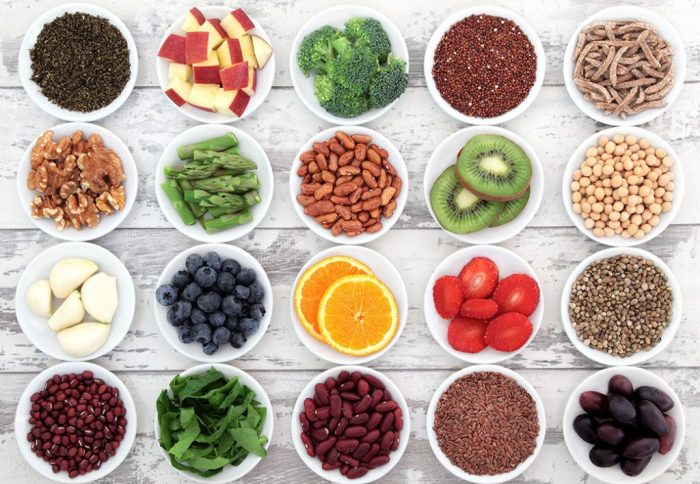
Successfully integrating antioxidant-rich superfoods into your diet requires understanding their compatibility with various dietary approaches. Different diets have unique macronutrient ratios and restrictions, influencing the selection and preparation of these foods. This section explores practical meal planning for vegan, vegetarian, keto, and low-carb diets, highlighting both the advantages and challenges involved.
Sample Meal Plans: Vegan and Vegetarian Diets
A well-planned vegan or vegetarian diet can easily incorporate a wide array of antioxidant-rich foods. The focus is on plant-based sources of vitamins, minerals, and phytonutrients. These plans emphasize variety to ensure adequate nutrient intake.
Vegan Weekly Meal Plan (Example):
Monday: Breakfast: Smoothie with berries, spinach, and almond milk; Lunch: Quinoa salad with roasted vegetables (bell peppers, broccoli, sweet potatoes); Dinner: Lentil soup with whole-wheat bread.
Tuesday: Breakfast: Oatmeal with blueberries and chia seeds; Lunch: Black bean burgers on whole-wheat buns with avocado; Dinner: Stir-fry with tofu, kale, and brown rice.
Wednesday: Breakfast: Peanut butter and banana sandwich on whole-wheat bread; Lunch: Leftover stir-fry; Dinner: Vegetable curry with brown rice.
Thursday: Breakfast: Smoothie with mango, spinach, and coconut water; Lunch: Salad with chickpeas, cucumber, tomatoes, and a lemon vinaigrette; Dinner: Pasta with marinara sauce and vegetables.
Friday: Breakfast: Tofu scramble with spinach and mushrooms; Lunch: Leftover vegetable curry; Dinner: Pizza with whole-wheat crust, vegetables, and vegan cheese.
Saturday: Breakfast: Pancakes made with whole-wheat flour and berries; Lunch: Buddha bowl with various roasted vegetables and a tahini dressing; Dinner: Vegan chili.
Sunday: Breakfast: Smoothie with berries, banana, and almond milk; Lunch: Leftover vegan chili; Dinner: Roasted vegetables with quinoa.
Vegetarian Weekly Meal Plan (Example):
Similar to the vegan plan, but with the addition of eggs and dairy products for increased protein and calcium.
Monday: Breakfast: Scrambled eggs with spinach and whole-wheat toast; Lunch: Greek yogurt with berries and granola; Dinner: Chicken and vegetable stir-fry (chicken can be replaced with firm tofu for a pescatarian option).
Tuesday: Breakfast: Oatmeal with berries and nuts; Lunch: Cottage cheese with fruit; Dinner: Lentil Shepherd’s pie with mashed sweet potatoes.
Wednesday: Breakfast: Omelet with vegetables and cheese; Lunch: Salad with grilled chicken or halloumi cheese; Dinner: Pasta with pesto and vegetables.
Thursday: Breakfast: Yogurt parfait with berries and granola; Lunch: Leftover pasta; Dinner: Vegetable lasagna.
Friday: Breakfast: Scrambled eggs with tomatoes and mushrooms; Lunch: Tuna salad sandwich on whole-wheat bread; Dinner: Pizza with whole-wheat crust, vegetables, and mozzarella cheese.
Saturday: Breakfast: French toast with berries and maple syrup; Lunch: Quinoa salad with feta cheese and roasted vegetables; Dinner: Chicken and vegetable skewers.
Sunday: Breakfast: Smoothie with berries, banana, and yogurt; Lunch: Leftover chicken and vegetable skewers; Dinner: Roasted vegetables with couscous.
Sample Meal Plans: Keto and Low-Carb Diets
Keto and low-carb diets prioritize fats and limit carbohydrates, posing unique challenges for incorporating antioxidant-rich superfoods. Many high-antioxidant fruits are also high in sugar, requiring careful selection and portion control.
Keto Weekly Meal Plan (Example):
Monday: Breakfast: Avocado and eggs; Lunch: Salad with grilled chicken or salmon, avocado, and a creamy dressing; Dinner: Cauliflower rice with steak and broccoli.
Tuesday: Breakfast: Chia seed pudding with coconut milk and berries (in moderation); Lunch: Leftover cauliflower rice; Dinner: Salmon with asparagus and a side of spinach.
Wednesday: Breakfast: Keto smoothie with unsweetened almond milk, spinach, and MCT oil; Lunch: Chicken salad with avocado and celery; Dinner: Zucchini noodles with pesto and shrimp.
Thursday: Breakfast: Coconut yogurt with berries (in moderation); Lunch: Leftover zucchini noodles; Dinner: Steak with green beans and mushrooms.
Friday: Breakfast: Scrambled eggs with mushrooms and cheese; Lunch: Salad with grilled chicken or fish and a vinaigrette dressing; Dinner: Pork chops with Brussels sprouts.
Saturday: Breakfast: Keto pancakes (made with almond flour); Lunch: Leftover pork chops; Dinner: Chicken thighs with roasted vegetables (broccoli, cauliflower, peppers).
Sunday: Breakfast: Avocado toast (made with almond flour bread); Lunch: Leftover roasted vegetables; Dinner: Salmon with cauliflower mash.
Low-Carb Weekly Meal Plan (Example):
This plan allows for more carbohydrates than a strict keto diet but still limits them significantly. It emphasizes non-starchy vegetables and moderate fruit intake.
Monday: Breakfast: Eggs with spinach and mushrooms; Lunch: Chicken breast salad with mixed greens and a light vinaigrette; Dinner: Salmon with roasted asparagus and a small portion of sweet potato.
Tuesday: Breakfast: Greek yogurt with berries (in moderation); Lunch: Leftover salmon; Dinner: Chicken stir-fry with broccoli and cauliflower rice.
Wednesday: Breakfast: Omelet with vegetables; Lunch: Tuna salad with celery and avocado; Dinner: Pork tenderloin with green beans and a small portion of quinoa.
Thursday: Breakfast: Cottage cheese with berries (in moderation); Lunch: Leftover pork tenderloin; Dinner: Chicken breast with roasted Brussels sprouts and a small portion of brown rice.
Friday: Breakfast: Scrambled eggs with tomatoes and cheese; Lunch: Salad with grilled chicken or fish and a vinaigrette dressing; Dinner: Beef stir-fry with broccoli and cauliflower rice.
Saturday: Breakfast: Whole-wheat pancakes (smaller portion) with berries; Lunch: Leftover beef stir-fry; Dinner: Chicken and vegetable skewers.
Sunday: Breakfast: Smoothie with berries, spinach, and unsweetened almond milk; Lunch: Leftover chicken and vegetable skewers; Dinner: Roasted vegetables with a small portion of brown rice.
Comparison of Dietary Approaches
| Diet Type | Suitable Superfoods | Sample Meal | Challenges |
|---|---|---|---|
| Vegan | Berries, leafy greens, nuts, seeds, legumes | Quinoa salad with roasted vegetables and a tahini dressing | Ensuring adequate protein and essential fatty acid intake. |
| Vegetarian | Berries, leafy greens, nuts, seeds, legumes, eggs, dairy | Greek yogurt with berries and granola | Maintaining sufficient iron and vitamin B12 levels. |
| Keto | Avocado, berries (in moderation), leafy greens, nuts, seeds | Salmon with asparagus and spinach | Limiting high-carbohydrate antioxidant-rich foods; potential nutrient deficiencies if not carefully planned. |
| Low-Carb | Avocado, berries (in moderation), leafy greens, nuts, seeds, some non-starchy vegetables | Chicken breast salad with mixed greens | Balancing macronutrients; careful selection of fruits and vegetables to manage carbohydrate intake. |
Budget-Friendly Ways to Incorporate Antioxidant-Rich Superfoods
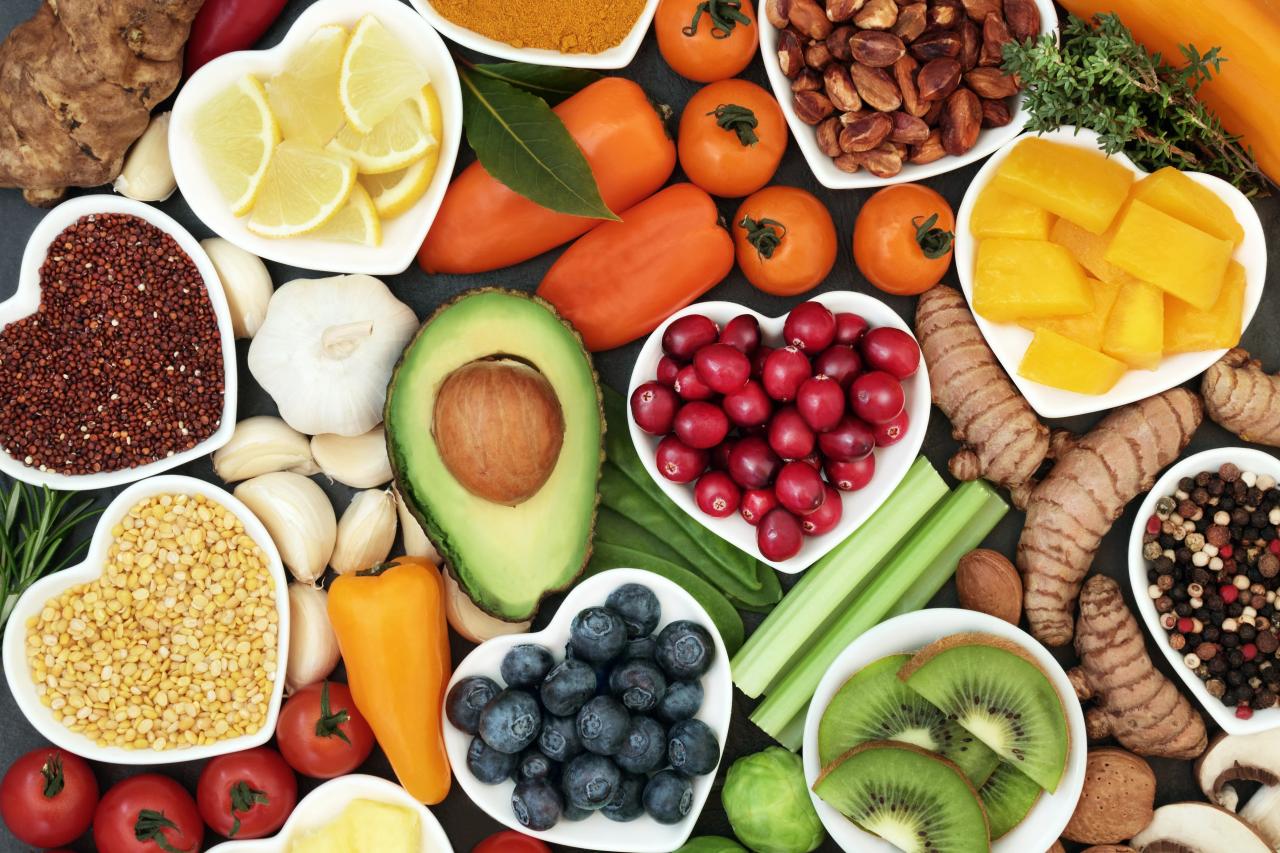
Accessing a diet rich in antioxidants doesn’t require a hefty grocery bill. Many affordable, readily available foods pack a powerful antioxidant punch, making it possible to boost your health without breaking the bank. By making smart choices and employing a few simple strategies, you can easily integrate these superfoods into your everyday meals.
Affordable Antioxidant-Rich Superfoods Shopping List
This list highlights readily available and budget-friendly options that are rich in antioxidants. Remember to check your local grocery store’s weekly flyers for sales and deals to further maximize your savings.
- Frozen Berries: Blueberries, raspberries, strawberries, and blackberries are often cheaper frozen than fresh and retain their antioxidant properties. A large bag can last for weeks.
- Canned Tomatoes: A versatile and inexpensive source of lycopene, a powerful antioxidant. Choose low-sodium options whenever possible.
- Spinach: A nutritional powerhouse, spinach is packed with antioxidants and can be added to smoothies, salads, or cooked as a side dish.
- Sweet Potatoes: These vibrant root vegetables are rich in beta-carotene, an antioxidant that converts to vitamin A in the body. They are affordable and versatile.
- Beans (dried): Dried kidney beans, black beans, pinto beans, etc., are incredibly affordable and brimming with antioxidants. They require soaking and cooking, but the cost savings are significant.
- Oats (rolled or steel-cut): A good source of antioxidants and fiber, oats are a budget-friendly breakfast staple.
- Dark Chocolate (70% cacao or higher): While a treat, dark chocolate offers antioxidants, and a small amount can satisfy a sweet craving without significantly impacting your budget.
Minimizing Food Waste and Maximizing Value
Reducing food waste is crucial for budget-conscious eating. The following strategies help to ensure you get the most out of your antioxidant-rich purchases.
- Proper Storage: Store fruits and vegetables in the appropriate conditions to extend their shelf life. For example, berries should be stored in a single layer in a container to prevent crushing and spoilage.
- Freezing Leftovers: Freeze leftover cooked vegetables or fruits to use in smoothies, soups, or stir-fries later. This prevents waste and adds convenience.
- Creative Repurposing: Use vegetable scraps to make stock or add to smoothies. Overripe fruits can be used in jams or baked goods.
- Meal Planning: Planning your meals in advance helps you buy only what you need and reduces the likelihood of food spoiling.
- Buy in Bulk (When Appropriate): Dried beans, oats, and certain frozen fruits and vegetables are often cheaper when purchased in bulk, but only buy what you can reasonably use before spoilage.
Budget-Friendly Meal Plans Featuring Antioxidant-Rich Superfoods
These meal plans demonstrate how to incorporate antioxidant-rich superfoods into delicious and affordable meals.
- Meal Plan 1 (Focus: Berries & Spinach):
- Breakfast: Oatmeal with frozen berries and a sprinkle of nuts.
- Lunch: Spinach salad with canned chickpeas and a light vinaigrette.
- Dinner: Lentil soup with a side of whole-wheat bread.
- Meal Plan 2 (Focus: Sweet Potatoes & Beans):
- Breakfast: Sweet potato and black bean burrito bowl.
- Lunch: Leftover sweet potato and black bean burrito bowl.
- Dinner: Baked sweet potato with chili and a side salad.
- Meal Plan 3 (Focus: Tomatoes & Oats):
- Breakfast: Oatmeal with sliced tomatoes and a poached egg.
- Lunch: Tomato soup with whole-wheat bread.
- Dinner: Pasta with tomato sauce and vegetables.
Antioxidant-Rich Superfoods and Weight Management
Antioxidant-rich superfoods can play a significant role in supporting weight management goals, primarily by influencing metabolic processes and reducing inflammation, both of which are crucial factors in healthy weight maintenance and loss. While they aren’t a magic bullet for weight loss, their inclusion in a balanced diet can contribute positively to overall health and weight management efforts.Antioxidants combat oxidative stress, a process linked to inflammation and metabolic dysfunction.
Chronic inflammation is associated with weight gain and various health problems, while impaired metabolic function hinders the body’s ability to efficiently process energy and burn fat. By reducing inflammation and improving metabolic function, antioxidant-rich foods indirectly contribute to weight management.
The Role of Antioxidants in Reducing Inflammation and Improving Metabolic Function
Inflammation is a complex process involving the body’s immune response. Chronic low-grade inflammation, often stemming from poor diet and lifestyle choices, contributes to weight gain by increasing fat storage and hindering fat burning. Antioxidants neutralize free radicals, unstable molecules that damage cells and trigger inflammation. This reduction in oxidative stress, in turn, helps to lessen chronic inflammation. Similarly, improved metabolic function, facilitated by the intake of antioxidants, enhances the body’s ability to regulate blood sugar levels, utilize energy efficiently, and promote healthy fat metabolism.
This translates to a more efficient use of calories and potentially reduced fat storage. For example, studies have shown that diets rich in berries (high in anthocyanins, a type of antioxidant) are associated with improved insulin sensitivity, a key factor in metabolic health.
Incorporating Antioxidant-Rich Superfoods into Weight Loss or Maintenance Diets
Incorporating antioxidant-rich foods into a weight management plan requires mindful choices and portion control. It’s crucial to remember that these foods support weight management as part of a holistic approach that includes regular exercise and a balanced calorie intake. Simply adding these foods without addressing overall dietary habits will not automatically lead to weight loss.The key is to strategically replace less healthy options with antioxidant-rich alternatives.
For instance, instead of processed snacks, choose a handful of berries or a small portion of dark chocolate. Instead of sugary drinks, opt for green tea, rich in catechins, another type of powerful antioxidant. Incorporating these foods into meals can also boost their nutritional value. Adding spinach to an omelet, incorporating blueberries into oatmeal, or sprinkling pomegranate seeds on a salad are simple ways to increase antioxidant intake without significantly altering calorie counts.
It’s important to prioritize whole, unprocessed foods, as they tend to offer a broader range of nutrients and antioxidants compared to processed alternatives. A well-planned diet incorporating a variety of colorful fruits and vegetables, nuts, seeds, and whole grains will provide a diverse range of antioxidants and other essential nutrients to support overall health and weight management.
Incorporating antioxidant-rich superfoods into your diet is a simple yet powerful step towards a healthier lifestyle. While supplements exist, prioritizing whole foods ensures optimal bioavailability and a wider range of nutritional benefits. Remember that a balanced diet, regular exercise, and a holistic approach to wellness are key to reaping the full advantages of these remarkable foods. By understanding their diverse properties and embracing creative culinary applications, you can unlock the remarkable potential of antioxidant-rich superfoods for improved health and well-being.
Essential FAQs
Are all antioxidants created equal?
No, different antioxidants have different mechanisms and benefits. A diverse intake of various antioxidant-rich foods is ideal.
Can I overdose on antioxidants?
While rare, excessive intake of certain antioxidant supplements can have adverse effects. Focus on whole foods for a balanced approach.
How can I tell if a food is high in antioxidants?
Vibrantly colored fruits and vegetables are often good indicators. Look for foods rich in vitamins C and E, and various phytonutrients.
Do antioxidants interact with medications?
Some antioxidants can interact with certain medications. Consult your doctor if you have concerns, especially if taking blood thinners or other medications.


