Vegan Holiday Recipes Festive Plant-Based Feasts
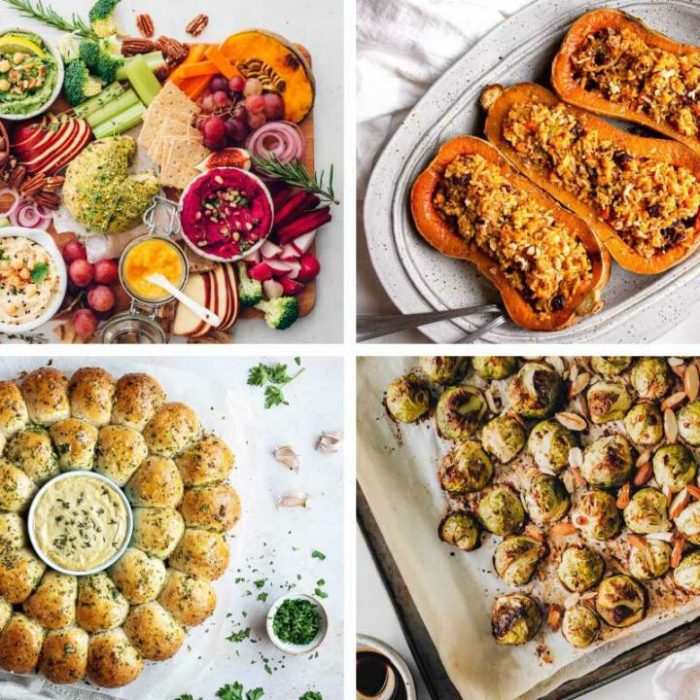
Vegan holiday recipes offer a delicious and compassionate alternative to traditional festive meals. This exploration delves into the creation of plant-based holiday dishes, providing both inspiration and practical guidance for crafting memorable and flavorful meals, free from animal products. We’ll cover everything from ingredient substitutions and cooking techniques to nutritional benefits and meal planning, ensuring a stress-free and enjoyable holiday season for everyone, regardless of dietary restrictions.
From Thanksgiving feasts to Christmas dinners and Hanukkah celebrations, we’ll guide you through creating delectable vegan versions of classic holiday dishes. Learn how to substitute traditional ingredients with readily available vegan alternatives, master essential vegan cooking techniques, and discover the nutritional power of plant-based holiday ingredients. We’ll also explore how to adapt recipes for other dietary needs and incorporate strategies for healthy eating during the festive season.
Vegan Holiday Recipe Categories: Vegan Holiday Recipes
Vegan holiday cooking offers a delicious and compassionate alternative to traditional recipes, showcasing the versatility of plant-based ingredients. Many classic dishes can be easily adapted, resulting in festive meals that are both satisfying and ethically sound. This section explores popular vegan holiday recipes, the nutritional benefits of key ingredients, and a comparison between traditional and vegan versions.
Vegan Holiday Recipe Examples
The following table presents a selection of popular vegan holiday recipes, categorized by holiday, highlighting key ingredients and flavor profiles. These examples demonstrate the breadth and depth of vegan holiday cuisine.
| Holiday | Recipe Name | Key Ingredients | Flavor Profile |
|---|---|---|---|
| Thanksgiving | Vegan Lentil Shepherd’s Pie | Lentils, sweet potatoes, carrots, vegetable broth, mushrooms, mashed potatoes | Savory, hearty, earthy, slightly sweet |
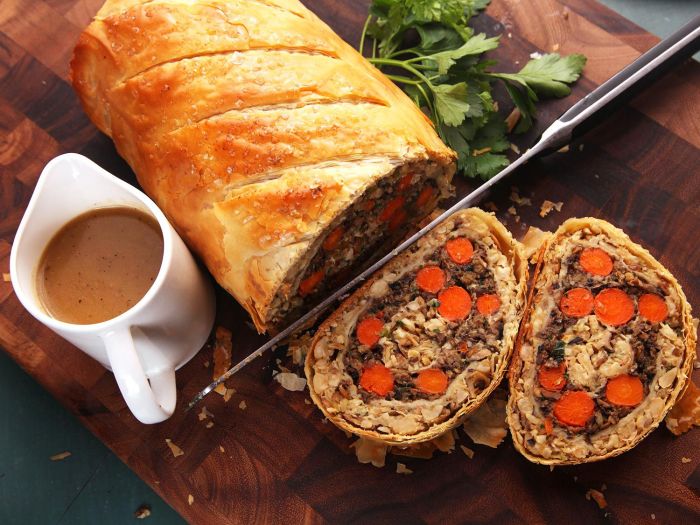
| Christmas | Mushroom Wellington | Mushrooms (various types), puff pastry, lentils, herbs (thyme, rosemary), vegetable broth | Rich, savory, earthy, herbaceous |
| Hanukkah | Vegan Latkes with Applesauce | Potatoes, onion, flour, applesauce, oil for frying | Crispy, savory, slightly sweet (from applesauce) |
| Christmas | Vegan Chocolate Peppermint Bark | Vegan dark chocolate, peppermint extract, crushed candy canes | Rich, chocolatey, minty, sweet |
| New Year’s Eve | Vegan Black-Eyed Pea Stew | Black-eyed peas, collard greens, carrots, celery, onion, vegetable broth, spices | Savory, hearty, slightly spicy |
Nutritional Benefits of Vegan Holiday Ingredients
This infographic visually represents the nutritional benefits of common vegan holiday ingredients. The infographic is designed with a circular layout, with each section representing a different ingredient (lentils, butternut squash, tofu). Each section includes an image of the ingredient, a brief description of its nutritional profile (including key vitamins and minerals), and a short text highlighting its health benefits.
For example, the lentil section shows a vibrant image of lentils, lists high protein and fiber content, and mentions its role in digestive health. The butternut squash section highlights its vitamin A and antioxidants, and the tofu section focuses on its protein content and versatility. The overall color scheme is warm and inviting, using autumnal colors to evoke the holiday season.
Data presented is sourced from reputable nutritional databases, ensuring accuracy and reliability.
Comparison of Traditional and Vegan Holiday Recipes
Traditional holiday recipes often rely heavily on meat, dairy, and eggs. Vegan counterparts substitute these ingredients with plant-based alternatives, resulting in some differences in taste, texture, and preparation. For example, a traditional meatloaf might use ground beef, while a vegan version might use lentils, mushrooms, or tofu for a similar hearty texture, but with a distinct, earthier flavor profile. Traditional creamy mashed potatoes utilize butter and milk, while vegan versions use plant-based milk and/or oil, resulting in a slightly different texture, though the overall creamy quality can be maintained.
Preparation methods also differ; vegan recipes often involve additional techniques to achieve similar textures and flavors, such as using aquafaba (chickpea brine) as an egg substitute or employing specific spices to enhance the depth of flavor. Despite these differences, many vegan holiday recipes closely mimic the flavors and textures of their traditional counterparts, providing delicious and healthy alternatives for plant-based diets.
Vegan Holiday Recipe Ingredients and Substitutions
Creating delicious vegan holiday meals requires understanding suitable replacements for traditional animal-based ingredients. Many readily available substitutes effectively mimic the texture and functionality of eggs, butter, and dairy, allowing for the creation of rich and satisfying plant-based dishes. This section will explore common substitutions and highlight versatile vegan ingredients ideal for holiday baking and cooking.
Common Vegan Substitutes for Traditional Holiday Ingredients, Vegan holiday recipes
Several excellent alternatives exist for common holiday baking ingredients. For instance, flax eggs (1 tablespoon flaxseed meal mixed with 3 tablespoons water) are a popular egg replacement, providing binding properties thanks to the flaxseed’s mucilage. They work well in cakes, muffins, and cookies. Applesauce can also act as a binder and adds moisture, while mashed banana offers sweetness and moisture, especially beneficial in quick breads.
Vegan butter, often made from coconut oil or plant-based fats, provides richness and flavor similar to traditional butter, while various plant-based milks (almond, soy, oat) offer diverse flavor profiles and work well in both sweet and savory dishes. Finally, aquafaba, the liquid from canned chickpeas, surprisingly acts as an egg white substitute, creating airy meringues and mousses.
Ten Versatile Vegan Holiday Ingredients
A selection of readily available ingredients can form the foundation of many vegan holiday recipes. Their versatility allows for creative substitutions and adaptation across various dishes.
- Tofu: Crumbles easily for “sausage” stuffing or can be pressed and used in savory dishes like vegan wellington.
- Nutritional Yeast: Adds a cheesy flavor to sauces, dips, and casseroles.
- Coconut Milk: Creates creamy soups, sauces, and desserts.
- Sweet Potatoes: Adds natural sweetness and moisture to both sweet and savory dishes, such as pies and stews.
- Cranberries: A classic holiday ingredient, easily incorporated into sauces, breads, and muffins.
- Pumpkin Puree: Adds moisture and sweetness to cakes, breads, and muffins; also a staple in many savory dishes.
- Chickpeas: Versatile in dips, salads, and as a base for vegan “meatballs.”
- Vegetable Broth: Essential for soups, stews, and sauces, adding depth of flavor.
- Maple Syrup: Provides natural sweetness to desserts and glazes.
- Vegan Chocolate Chips: A delicious addition to cookies, brownies, and other desserts.
Challenges in Finding Vegan Ingredients During the Holiday Season and Solutions
While many vegan ingredients are widely available, some specialty items might be harder to find during peak holiday seasons due to increased demand or limited stock in smaller stores. To avoid disappointment, plan ahead. Order specialty items online well in advance or explore alternative ingredients. For instance, if a specific brand of vegan butter is unavailable, consider a different brand or explore recipes using coconut oil as a substitute.
Shopping at larger supermarkets or specialty health food stores can also increase the likelihood of finding a wider selection of vegan products. Additionally, exploring local farmers’ markets may reveal unexpected vegan finds.
Vegan Holiday Recipe Preparation Techniques
Mastering vegan holiday cooking involves understanding specific techniques and adapting classic recipes. This section details essential preparation methods, showcasing how to achieve delicious and impressive vegan holiday meals. We’ll explore step-by-step instructions for a vegan stuffing, demonstrate various cooking techniques, and provide a workflow for a complex vegan holiday meal.
Vegan Sausage and Cranberry Stuffing
This recipe provides a delicious and satisfying vegan alternative to traditional stuffing. It uses readily available ingredients and straightforward techniques.
- Sauté Vegetables (15 minutes): Heat 2 tablespoons of olive oil in a large skillet over medium heat. Add 1 medium onion, chopped, and 2 celery stalks, chopped. Sauté until softened, about 5-7 minutes. Add 1 cup of chopped mushrooms and 1 cup of vegan sausage, crumbled. Cook until browned, about another 5-7 minutes.
- Combine Ingredients (10 minutes): In a large bowl, combine the sautéed vegetables with 6 cups of cubed bread (day-old bread works best), 1/2 cup of dried cranberries, 1/4 cup of chopped fresh sage, 1/4 cup of chopped fresh parsley, 1 teaspoon of poultry seasoning (vegan), 1/2 teaspoon of salt, and 1/4 teaspoon of black pepper.
- Add Liquid (5 minutes): In a separate bowl, whisk together 1 1/2 cups of vegetable broth and 1/4 cup of maple syrup. Gradually add this mixture to the bread mixture, stirring until well combined. The bread should be moist but not soggy.
- Bake (45-50 minutes): Pour the stuffing into a greased 9×13 inch baking dish. Bake in a preheated oven at 375°F (190°C) for 45-50 minutes, or until golden brown and heated through.
Vegan Cooking Techniques
Several cooking techniques are particularly well-suited for creating flavorful and impressive vegan holiday dishes. Each technique offers unique advantages and lends itself to specific types of dishes.
- Roasting: Roasting vegetables like Brussels sprouts, carrots, and sweet potatoes brings out their natural sweetness and creates a delightful caramelization. The high heat develops a crispy exterior while maintaining a tender interior. This technique is ideal for side dishes and complements many main courses.
- Braising: Braising is perfect for tougher vegan meats, like seitan or mushrooms. The long, slow cooking in liquid tenderizes the food and infuses it with flavor. A rich braising liquid can be used as a sauce, enhancing the overall dish. This is an excellent method for hearty stews and pot roasts.
- Sautéing: Sautéing is a quick and versatile technique for cooking vegetables, tofu, or vegan meats. It allows for quick browning and the development of complex flavors. Sautéed vegetables can be used as a side dish or incorporated into more complex recipes. This is a great method for creating quick and flavorful side dishes or components of larger meals.
Vegan Holiday Meal Workflow
This flowchart illustrates the preparation timeline for a complex vegan holiday meal, assuming a dinner party for 6 people. Tasks can be assigned to different individuals to streamline the process.
A visual representation would be helpful here. Imagine a flowchart with three columns: “Day Before,” “Day Of,” and “During Dinner.” The “Day Before” column would include tasks like making the stuffing, preparing the cranberry sauce, and chopping vegetables. The “Day Of” column would include tasks like roasting the main dish (e.g., a vegan roast), preparing side dishes, and setting the table. The “During Dinner” column would include tasks like carving the roast, serving food, and cleaning up. Each task would have an estimated time next to it. For example, “Make Stuffing (1 hour),” “Roast Main Dish (2 hours),” etc. This visual aid allows for better time management and efficient task delegation.
Expanding on Related Diets and Health Topics
Vegan holiday recipes offer a delicious and ethical alternative to traditional festive fare. However, understanding how they align with other dietary approaches and health considerations is crucial for maximizing their benefits. This section explores the intersection of vegan holiday cooking with keto/low-carb diets, superfoods, gut health, athletic nutrition, budget-friendly options, weight management, intermittent fasting, and maintaining energy levels during the festive season.
Vegan Holiday Recipes Compared to Keto and Low-Carb Recipes
Vegan and keto/low-carb diets differ significantly in their macronutrient composition. Vegan diets emphasize carbohydrates and limit animal products, while keto/low-carb diets prioritize fats, severely restrict carbohydrates, and often include animal products. Similarities might lie in the use of certain vegetables (like cauliflower or broccoli) which can be adapted for both diets, albeit prepared differently to meet each diet’s macronutrient targets.
A vegan recipe using lentils and sweet potatoes, for example, would be high in carbohydrates and unsuitable for a keto diet. However, a vegan recipe using cauliflower “mashed potatoes” and roasted vegetables with healthy fats would be more compatible with a low-carb approach. The key difference lies in managing carbohydrate intake.
Five Superfoods for Enhanced Nutritional Value in Vegan Holiday Recipes
Incorporating superfoods can significantly boost the nutritional profile of vegan holiday meals. These nutrient-dense foods offer a wide array of health benefits.
- Chia Seeds: Rich in omega-3 fatty acids, fiber, and antioxidants. They can be added to puddings, baked goods, or sprinkled on salads, contributing to satiety and improved cardiovascular health.
- Quinoa: A complete protein source providing all essential amino acids, along with fiber and minerals. It’s a versatile grain suitable for salads, stuffing, or as a side dish.
- Kale: Packed with vitamins A, C, and K, as well as antioxidants. It can be used in salads, soups, or as a base for vegan wraps.
- Avocados: Excellent source of healthy monounsaturated fats, fiber, and potassium. They can be used in dips, salads, or as a topping for festive dishes.
- Mushrooms: Rich in B vitamins, selenium, and antioxidants. They add a savory umami flavor to many dishes and can be used in soups, stews, or as a meat substitute.
The Role of Gut Health in Enjoying Holiday Meals
A healthy gut microbiome is essential for optimal digestion and nutrient absorption, impacting overall enjoyment of meals. Including prebiotics (fibrous foods that feed beneficial gut bacteria) and probiotics (live beneficial bacteria) in vegan holiday recipes supports a thriving gut environment.
A Weekly Vegan Holiday Meal Plan for Athletes
This meal plan prioritizes protein and carbohydrate intake, essential for athletic performance. It incorporates vegan holiday-themed recipes suitable for active individuals.
| Meal Time | Monday | Tuesday | Wednesday | Thursday | Friday | Saturday | Sunday |
|---|---|---|---|---|---|---|---|
| Breakfast | Vegan Protein Pancakes with Berries | Tofu Scramble with Spinach | Overnight Oats with Chia Seeds | Vegan Yogurt with Fruit | Smoothie with Protein Powder | Vegan Waffles with Maple Syrup | Breakfast Burrito with Tofu and Black Beans |
| Lunch | Lentil Soup with Whole-Grain Bread | Quinoa Salad with Roasted Vegetables | Vegan Chickpea Curry | Buddha Bowl with Brown Rice | Leftover Vegan Curry | Vegan Chili | Large Salad with Tofu and Avocado |
| Dinner | Vegan Roast with Root Vegetables | Vegan Shepherd’s Pie | Mushroom Wellington | Vegan Lasagna | Vegan Paella | Vegan Pot Pie | Vegan Stuffed Peppers |
Healthy Eating on a Budget During the Holiday Season
Budget-conscious vegan holiday cooking is achievable by focusing on affordable staples such as lentils, beans, rice, seasonal vegetables, and oats. Planning meals around these ingredients minimizes food waste and maximizes value. Buying in bulk when possible and utilizing leftovers creatively are additional cost-saving strategies.
Tips for Weight Management While Enjoying Vegan Holiday Meals
Mindful eating and portion control are key to managing weight during the holidays. Focus on savoring each bite, eating slowly, and listening to your body’s hunger and fullness cues. Choosing smaller plates and incorporating plenty of vegetables can help regulate portion sizes.
Incorporating Intermittent Fasting into a Vegan Holiday Meal Plan
Intermittent fasting involves cycling between periods of eating and voluntary fasting on a regular schedule. This can be adapted to a vegan holiday meal plan by concentrating calorie intake within a specific eating window and fasting during other hours. For example, one could choose to eat only between 12 pm and 8 pm, allowing for a 16-hour fasting period.
It’s crucial to consult a healthcare professional before starting any fasting regimen.
Maintaining Energy and Focus with a Vegan Diet During the Holidays
Maintaining energy and focus during the busy holiday season requires adequate nutrient intake. Prioritize complex carbohydrates for sustained energy, ensure sufficient protein for satiety and muscle maintenance, and include healthy fats for brain function. Prioritizing sleep and managing stress levels are also crucial for optimal energy and focus.
Ultimately, creating delicious and fulfilling vegan holiday recipes is achievable and rewarding. By embracing plant-based alternatives and mastering a few key techniques, you can transform your holiday celebrations into joyful and compassionate gatherings. This guide provides the tools and inspiration to craft memorable meals that are both delicious and aligned with your values, allowing you to enjoy the holidays guilt-free and with a focus on health and well-being.
The flexibility and creativity inherent in vegan cooking open up a world of culinary possibilities, making every holiday meal a unique and exciting experience.
Top FAQs
What are some common misconceptions about vegan holiday cooking?
A common misconception is that vegan holiday meals are bland or lack flavor. With the right ingredients and techniques, vegan dishes can be incredibly flavorful and satisfying.
Are vegan holiday recipes more expensive than traditional recipes?
Not necessarily. While some specialty vegan ingredients might be pricier, many affordable and readily available alternatives exist. Careful planning and shopping can keep costs comparable to traditional holiday meals.
Can I make vegan holiday recipes ahead of time?
Many vegan holiday recipes can be partially or fully prepared in advance, freeing up your time on the actual holiday. Check individual recipes for specific instructions on make-ahead options.
Where can I find vegan holiday recipes?
Numerous cookbooks, websites, and blogs offer a wide variety of vegan holiday recipes. Online searches for “vegan [holiday name] recipes” will yield many results.


